Alexander Grodzinski
-
Gesamte Inhalte
14.300 -
Benutzer seit
Alle Inhalte von Alexander Grodzinski
-
 Neu von BSX/Dragon's Domain: Dragon’s Domain Records presents LEE HOLDRIDGE GOES TO THE OLYMPICS, featuring music composed and conducted by Lee Holdridge (JONATHAN LIVINGSTON SEAGULL, SPLASH, BEAUTY AND THE BEAST) for several documentary films set during during the Olympics. LEE HOLDRIDGE GOES TO THE OLYMPICS includes Music from the films 16 DAYS OF GLORY, BARCELONA 1992, THE SPIRIT OF THE OLYMPICS and LILLEHAMMER 1994. To create a historical record of the best moments from the Olympic games, documentary motion pictures have often been captured by film cameras. In 1984, sports documentarian Bud Greenspan was given unprecedented access to produce and direct what became 16 DAYS OF GLORY, a magnum opus narrative of the 1984 Los Angeles Summer Olympics. While television viewers just saw the competitions, Greenspan was able to portray the personal trials and tribulations of selected athletes as they struggled to push their bodies to break records and snare those coveted medals. His efforts resulted in a stunning and emotional document that ran almost 284 minutes. 16 DAYS OF GLORY featured dramatic imagery of the competitions, sometimes using slow-motion to accentuate the athletes’ efforts. Greenspan relied upon composer Lee Holdridge to underscore many of these sequences, as well as creating a main title theme. The success of 16 DAYS OF GLORY led to a long partnership documenting both summer and winter Olympics around the world until the 1998 Nagano Winter Olympics. LEE HOLDRIDGE GOES TO THE OLYMPICS compiles a variety of music Holdridge composed for the films of Bud Greenspan, including many cues composed for 16 DAYS OF GLORY that were not included on the original release of the soundtrack. Besides his work for Greenspan, he composed music for another documentary, THE SPIRIT OF THE OLYMPICS, which was a compilation of highlights culled from other films, and the OLYMPIC VIDEO WALL which was a stand-alone exhibit in Spain. Lee Holdridge was born in Port-au-Prince, Haiti in 1944. He spent his early years in Costa Rica, beginning music studies on the violin at the age of ten with Hugo Mariani, then the conductor of the National Symphony Orchestra of Costa Rica. Later, Holdridge moved to New York to continue his music studies and begin his professional career as a composer. Holdridge’s successes in New York came to the attention of Neil Diamond who brought Holdridge to Los Angeles to write arrangements for his forthcoming albums. A string of Gold and Platinum hits followed, which led to Diamond and Holdridge collaborating on the film score for JONATHAN LIVINGSTON SEAGULL. Since that time, Holdridge has scored numerous film such as SPLASH, BIG BUSINESS, MR. MOM, MICKI & MAUDE, 16 DAYS OF GLORY, SYLVESTER, A TIGER’S TALE, EL PUEBLO DEL SOL, OLD GRINGO, PASTIME and BROTHERS AT WAR. His television work include MOONLIGHTING, BEAUTY AND THE BEAST, the complete eight hour remake of EAST OF EDEN, DREAMER OF OZ, Hallmark Hall Of Fame’s ONE AGAINST THE WIND and THE STORY LADY. Lee also began a very successful collaboration with Moriah Films, the film division of the Simon Wiesenthal Center, with the Academy Award winning documentary feature film THE LONG WAY HOME. In addition to his film career, Mr. Holdridge has had an extensive repertoire of concert works performed and recorded. He has also worked with many major recording artists having written, arranged and conducted for Placido Domingo, Barbra Streisand, Brian May of Queen, Stevie Wonder, Neil Diamond, John Denver, Neil Sedaka, Daniel Rodriguez, Al Jarreau, Dionne Warwick, Diana Ross, Natalie Cole, Jane Oliver and many others. Dragon’s Domain Records is excited to bring these documentary film scores to compact disc for the first time as part of LEE HOLDRIDGE GOES TO THE OLYMPICS, presented on two discs and mastered by James Nelson at Digital Outland. The booklet includes liner notes written by author David Hirsch with the participation of the composer. SPECIAL ADDED BONUS When you purchase the 2CD set, you will receive a digital version of the album with a downloadable booklet, plus an additional score by Lee Holdridge for the NAGANO 1988 Olympic games at no extra cost. This special offer is only available at Buysoundtrax.com. LEE HOLDRIDGE GOES TO THE OLYMPICS is a limited edition release of 500 units. LEE HOLDRIDGE GOES TO THE OLYMPICS will begin shipping the week of January 26th, 2026. The First 50 Copies sold will be autographed by composer Lee Holdridge. 16 DAYS OF GLORY 01. Theme From “16 Days Of Glory” (3:26) 02. Triumph (2:31) 03. Calgary Opening (2:43) 04. Gunde Svan Triumphs [Calgary 1988] (2:48) 05. The Highest Step: Interlude (2:18) 06. Korean Olympics Tribute [Seoul 1988] (1:43) 07. Hymn Of The Nations (10:30) Vocal: Placido Domingo 08. Diving (1:50) 09. The Women’s Marathon (7:43) 10. Edwin Moses (1:06) 11. The Spirit Of The Olympics (1:25) 12. China Sequence (6:20) 13. The Lighting Of The Torch (1:39) 14. Yasuhiro Yamashita (1:06) 15. Dawn: Interlude (3:19) 16. Entrance Of The Nations (3:27) 17. The Decathlon / Finale (3:41) 18. Bonus Synth Cue [1M1] (3:30) 19. Bonus Synth Cue [1M2] (2:34) 20. Bonus Synth Cue [4M1a] (1:05) 21. Bonus Synth Cue [4M5] (1:34) 22. The Olympics (1:08) SPIRIT OF THE OLYMPICS 23. Suite: The Torch / Preparation / Competition / Finale (7:40) BARCELONA 1992 24. Prologue (1:08) 25. Derartu Tulu’s Achievement (3:57) 26. Finale & End Credit (2:53) 27. Bumper (With Choir) (0:48) 28. Bumper (Without Choir) (0:46) 29. The Olympic Video Wall (Exhibit In Spain) (7:31) LILLEHAMMER 1994 30. Norwegian Prologue (0:57) 31. The Torch (2:48) 32. The Flag Bearers (2:05) 33. The Giant Slalom (0:44) 34. The Ski Jump (6:53) 35. The First Day Of Competition (4:47) 36. 50 KM of Determination (3:15) 37. Dan Jansen’s World Record (2:40) 38. Bittersweet Victory (1:19) 39. The Final Finish (1:50) 40. Courageous Glory & Cross Country Awards (2:19) 41. Speed Skating (0:53) 42. Bobsled (2:37) 43. Always A Chance For A Medal (1:39) 44. Tomba’s Triumph (2:43) 45. 50 KM Cross Country / For The Glory Of Sport (1:13) 46. 50 KM Skiers (2:11) 47. Final Strides To Victory (2:40) 48. Centuries Old Competition (4:13) 49. A Legacy Of Victory (0:44) 50. Facing Down Fear (1:37) 51. Devotion To Sport (1:51) 52. Bonus Synth Cue [1M3] Synth Percussion - The Flag Bearers (2:05) DIGITAL ONLY BONUS SCORE: NAGANO 1998: BUD GREENSPAN’S STORIES OF HONOR AND GLORY 53. Opening / Honorable Finish (2:44) 54. Long Run (3:39) 55. Competition / Mountainside (3:57) 56. Completing The Run (4:14) 57. Troublesome Run (2:59) 58. Solitary Run (2:44) 59. Icy Challenge (3:33) 60. Icy Difficulty / Concentration / Thinking About The Goal (3:51) 61. Thoughts / A Story (2:49) 62. Tight Finish / Reaching The Goal (2:32) 63. Solitary Finish (4:43) 64. Hymn of Honor (3:58) 65. Character Thoughts (1:21) 66. Honor and Glory Theme (2:04) Total CD Time: 146:36 Total Digital Time: 191:50 Dragon’s Domain Records presents THE BRUCE BROUGHTON COLLECTION: VOL. 2, featuring music composed by Bruce Broughton (SILVERADO, TOMBSTONE, THE ORVILLE) for two scores from his extensive filmography that highlight more of the gentle, delicate side of the composer’s work as a film composer. Released in 2005, WARM SPRINGS is a made-for-television biographical drama film directed by Joseph Sargent, written by Margaret Nagle, and starring Kenneth Branagh, Cynthia Nixon, Kathy Bates, Tim Blake Nelson, Jane Alexander, and David Paymer. The story explores U.S. President Franklin D. Roosevelt’s 1921 illness — initially diagnosed as polio — his fight to overcome paralysis, the discovery of the Warm Springs resort, and his efforts to establish it as a rehabilitation center for polio patients. Roosevelt’s emotional journey through interactions with other disabled individuals helps to prepare him for a return to politics and the challenges of leading the nation during the Great Depression. The score for WARM SPRINGS is a soft, orchestral piece for about 35 players, including brass, woodwinds, a large string section, harp, and piano. It’s presented here in chronological order, capturing Franklin and Eleanor’s evolving emotions during these tense hardships. Released in 2002, BOBBIE'S GIRL is an Irish comedy-drama film for television directed by Jeremy Kagan, starring Bernadette Peters, Rachel Ward, Jonathan Silverman, and Thomas Sangster. It tells the story of a middle-aged lesbian couple who run a peaceful pub faced with sudden health and family crises. The women are quite different: Bobbie (Ward) is calm, reserved, and practical; Bailey (Peters), an American, is warm, outgoing, and eccentric, a former actress. Bobbie and Bailey Lewis operate ‘The Two Sisters’, a seaside pub in Bray, near Dublin, with the assistance of Bailey's brother, David (Silverman). Bobbie discovers she has breast cancer and is determined to handle her illness independently. Meanwhile, the parents of her 10-year-old nephew Alan (Sangster) have died and a hesitant Bobbie is persuaded by Bailey to take him in. As Bobbie undergoes treatment, she gradually learns to accept her partner’s help. Bailey takes on more responsibility by both managing the pub and caring for Bobbie, who ultimately learns to express love for Alan and welcomes him into their extended family, much to Bailey's joy. BOBBY'S GIRL features an orchestra of roughly 35 players, including harp, recorder, violins, brass, percussion, guitars. Its main themes focus on the relationship between the women, the local setting, and their emotional struggles caused by sudden changes in their lives. Bruce Broughton, who has won ten Emmy Awards and been nominated for an Oscar, began his journey into film music in 1973, scoring episodes of television shows from GUNSMOKE, HAWAII FIVE-0, and DALLAS to JAG and THE ORVILLE, miniseries like THE BLUE AND THE GREY and THE OLD MAN AND THE SEA, and feature films such as SILVERADO, YOUNG SHERLOCK HOLMES, HARRY AND THE HENDERSONS, TOMBSTONE, and HONEY, I BLEW UP THE KID. Broughton has more than 130 scores to his credit. Throughout his career, Broughton has amassed ten Emmy Awards (from twenty-three nominations) and an Academy Award nomination (SILVERADO). In addition to being a composer and an accomplished conductor, Broughton is also a tireless educator having taught classes at the UCLA Herb Alpert School of Music, the Department of Screen Scoring at the USC Thornton School of Music, and is currently serving as Media Composer-in-Residence at the University of North Texas. Dragon’s Domain Records presents THE BRUCE BROUGHTON COLLECTION: VOL. 2, featuring music composed by Bruce Broughton for WARM SPRINGS and BOBBY’S GIRL. The music has been mastered by James Nelson at Digital Outland and the liner notes have been written by G.B. Kemner and Scott Davis. THE BRUCE BROUGHTON COLLECTION: VOL. 2 is a limited edition release of 500 units. THE BRUCE BROUGHTON COLLECTION: VOL. 2 is expected to begin shipping the week of January 26th, 2026. The First 50 Copies sold will be autographed by composer Bruce Broughton. WARM SPRINGS 01. Opening Titles (2:47) 02. Eleanor Reads Mercer’s Note / Remain Married Or Lose Your Trust Fund / Diagnosed With Polio / Life As He Knew It Is Over (3:27) 03. What’s Best For Franklin / The Storm / Train To Georgia (2:50) 04. Arrival At Warm Springs / Why Are We Here? / Into The Water (2:55) 05. First Night / Eleanor Leaves / Standing Unassisted In The Pool / Taking Five Steps (3:25) 06. Dictating The Letter / Public Speaking Failure / Hark The Herald Angels Sing / Parallel Bars (3:07) 07. I Don’t Know How To Talk To You / Taking The Boy Back To Warm Springs / Letter To Eleanor (2:20) 08. Improvements / Eleanor’s Success / Tom Has Cancer (3:42) 09. FDR Drives A Car / Louie And Eleanor Arrive / Eleanor Watches Rehab / Daisy Walks (3:49) 10. Roosevelts Crash The Medical Convention / Teaching Eleanor How To Drive / He’s Ready (2:44) 11. FDR’s Self-Pity / Eleanor’s Pep Talk / FDR Tries To Walk / What If I Fall? (4:25) 12. FDR Says Goodbye To Warm Springs Family / Finale / End Cards (3:30) 13. End Credits (3:36) 14. I’m Afraid We’ve Lost Him (Unused) (0:56) 15. Finding Boy In The Box Car (Unused) (1:10) 16. Tom Has Cancer (Alternate) (1:27) 17. Eleanor’s Pep Talk (Alternate) (1:04) 18. Finale / End Cards (Alternate) (1:33) BOBBIE’S GIRL 19. Logo / Main Title (2:13) 20. Meet Alan / Bailey Drives / Who Are You? / Granddad (2:15) 21. His Parents Place / A Frozen Heart / Bobbie’s Bad News (3:02) 22. The Female Eunuch / Thinking Ahead / Bobbie Runs Away / Alan Runs Off (3:54) 23. Searching For Alan / Bobbie Returns (3:36) 24. Can They See Me? / Waiting (2:18) 25. Bailey Returns / Bobbie Comes Home (2:38) 26. Pondering / Running To Granddad / A Wonderful Kid (3:54) 27. Don’t Leave Me (2:41) 28. Wedding Music (2:12) 29. End Titles (1:34) Total Time - 79:16 Dragon’s Domain Records presents the original motion picture soundtrack to THE HANDMAID’S TALE, featuring music composed by Ryûichi Sakamoto (MERRY CHRISTMAS, MR. LAWRENCE, THE LAST EMPEROR, THE REVENANT), for the 1990 science fiction thriller directed by Volker Schlöndorff (THE TIN DRUM, DEATH OF A SALESMAN), written by Harold Pinter, based on the novel by Margaret Atwood and starring Natasha Richardson, Faye Dunaway, Aidan Quinn, Elizabeth McGovern, Victoria Tennant, Blanche Baker and Robert Duvall. Released in 1990, THE HANDMAID’S TALE is set in the twilight of the Twentieth Century and American society as we have known it has ceased to exist. In a country now known as the Republic of Gilead, Right-wing fundamentalists have overthrown the government and replaced it with a numbingly repressive society ruled by the most rigid Puritan ethics. Cumulative effects of pollution, toxic waste and genetic experimentation have rendered most women infertile. Those still capable of bearing children are deemed ‘Handmaids’ and are assigned to ‘Commanders’, the men of the ruling elite. While attempting to escape, Kate (Richardson) and her family are stopped at the Canadian border. Her husband is shot, her daughter is taken away and she is captured, tested for fertility, sent to a training center for Handmaids. Upon completion, she is assigned to a commander named Fred (Duvall) and his barren wife Serena Joy (Dunaway). Kate is renamed Offred, given a small room in the house and is forbidden to speak to anyone in the household unless spoken to first. Kate develops an unexpectedly tender relationship with the Commander, who secretly introduces her to objects and activities from the past, now forbidden by Gilead law. Serena Joy, fearing that the commander himself may be infertile, arranges a meeting between Kate and the Commander’s chauffeur, Nick (Quinn). Their lovemaking rekindles all of Kate’s passion for life and with her feelings for Nick growing stronger, her desire for freedom from the Gilead regime grows even more desperate... Ryûichi Sakamoto has lived many musical lives. As a keyboardist and songwriter in Haruomi Hosono’s Yellow Magic Orchestra, he helped set the stage for synthpop. His solo experiments in fusing global genres and close studies of classical impressionism led to him scoring over 30 films, including MERRY CHRISTMAS, MR. LAWRENCE, THE LAST EMPEROR, THE SHELTERING SKY, RISING SUN, WUTHERING HEIGHTS, SNAKE EYES, FEMME FATALE and THE REVENANT. Originally released in the early days of the compact disc format by GNP Records, with the music presented in lengthy suites, Dragon’s Domain Records is excited to bring THE HANDMAID’S TALE back to the marketplace, with the music remastered by James Nelson at Digital Outland. THE HANDMAID’S TALE is a limited edition release. THE HANDMAID’S TALE is expected to begin shipping the week of January 26, 2026. 01. Overture / Snow (2:42) 02. Prison Camp (2:59) 03. On The Bus / Old Hundredth* / Nocturno (2:32) 04. Moira’s Hand / Red Veil (2:09) 05. Kate / Rape & Rage (2:48) 06. The Kiss (1:57) 07. Pollution In City / Moira Escapes (3:10) 08. Rape / Shall We Gather By The River** (1:52) 09. Love In Nick’s Room (3:11) 10. Amazing Grace*** (0:57) 11. My Daughter Is Alive (2:05) 12. Car Bomb / Travesty (2:17) 13. Kate & Moira / Hanging (2:50) 14. Particicution / Finding The Knife (3:33) 15. Waiting For Murder / Killing Commander (1:48) 16. Mayday (1:42) 17. Old Hundredth* (Praise God From Whom All Blessings Flow) (0:56) Total Time: 39:37 * Composed by Louis Bourgeois ** Composed by Robert Lowry *** Composed by John Newton, Performed by Laura Baxter This is an expanded reissue of the 1969 Philips and 1999 Varese Sarabande CD/LP releases. We have added 9 bonus cues including the instrumental "Quentin's Theme" which was not on previous releases of this album. Expertly composed by Robert Cobert (Trilogy Of Terror, Dan Curtis' Dracula, Winds of War) the music is pretty much an additional character on the show. Thematic and memorable music. Dark Shadows was a groundbreaking release as arguably the first popular TV soundtrack album, becoming a Top 20 hit, "Shadows of the Night (Quentin's Theme)," and cementing the show's cult status with its gothic atmosphere and is still a very loyal legion of fans. Notefornote Music would like to thank Jim Pierson, Cary Mansfield and Peter Hackman for their help and guidance on this project. Track List: 1. Dark Shadows/Collinwood 2. I'll Be With You, Always 3. Josette's Theme 4. A Darkness At Collinwood 5. Meditations 6. Night Of The Pentagram 7. When I Am Dead 8. #1 At The Blue Whale 9. Shadows Of The Night 10. The Secret Room 11. Epitaph 12. Seance 13. I, Barnabas 14. Back At The Blue Whale 15. The Old House 16. Epilogue/Dark Shadows Bonus Tracks 17. Victoria Winters 18. Conjuring 19. Pansy's Theme 20. The Dream Curse 21. Ode To Angelique 22. Night Of Terror 23. Joanna 24. Quentin's Theme 25. Jonathan Frid Greeting
 -
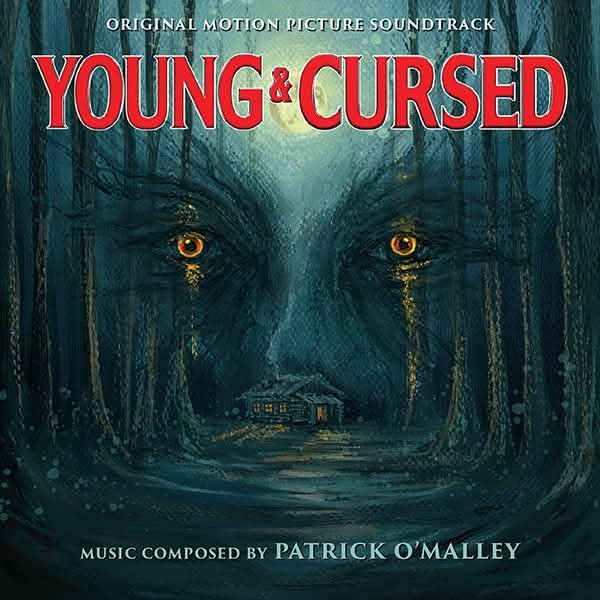
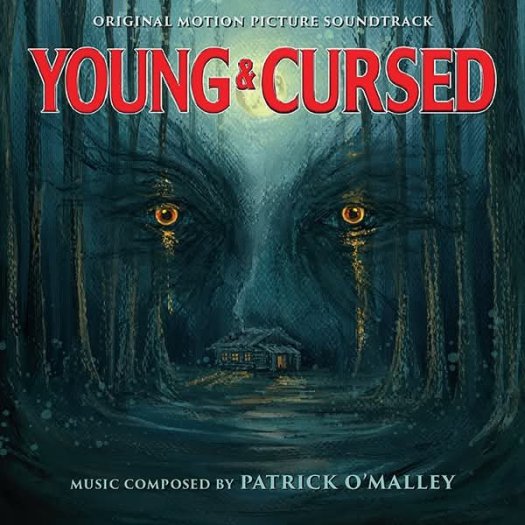
YOUNG & CURSED Music Composed by PATRICK O'MALLEY For Intrada's latest release, composer Patrick O'Malley chose to eschew the current sound-design approach of many modern-day horror films and lean into a more traditional (and frankly fan-embraced) style of horror scoring. Composers from earlier decades always lauded the opportunities provided by horror films to embrace experimentation that were not often afforded in other genres. It provided an opportunity not only to embrace dissonance as would be expected, but also the lyrical side so often ignored in horror films today. Think Jerry Goldsmith's delicate theme for Carol Ann balanced alongside the aggressive action in Poltergeist. The two can easily coexist in a horror setting. As O'Malley describes in his notes: One of the best things that can be given to any composer (of film music or otherwise) is a large canvas. When I first read Andrew [Chiaramonte] and Emmett [Alston]'s script for Young & Cursed, I initially thought that the film would only need light touches from the music: subtle electronics with the occasional reverb-submerged piano and grit-filled jump-scare stinger (after all, the plot outline is a bunch of kids in a cabin getting spooked for 90 minutes!). But, upon seeing a rough cut of the film and hearing [director] Andrew passionately discuss his goal of putting the audience in a larger frame of mind about the spiritual nature of good and evil, a much different sound came to me: a traditional-style score combining orchestra, choir, synths, electronics and a battery of homemade “found object” instruments. O'Malley may not be a name known to many, as Young & Cursed is his first full-length film score after working on several shorts and in the classical music scene. Hopefully this score is the harbinger of many more feature-length film assignments to come. Check out the soundtrack trailer here: The film is a supernatural psychological horror film directed by Andrew Chiaramonte, centering on five young strangers who retreat to a remote wilderness cabin, only to find themselves under the sinister influence of a mysterious woman possessed by an ancient force. As they become trapped and isolated, the group’s trust erodes and paranoia grows, forcing each person to confront their deepest fears and inner demons. INTRADA INT 7190 Barcode: 7 20258 71900 3 Retail Price: $24.99 AVAILABLE NOW ON CD AND DIGITAL PLATFORMS EVERYWHERE. 01. Lilith's Theme (3:33) 02. Hope and Sorrow (2:27) 03. Prologue & The Calling (4:32) 04. First Escape (2:28) 05. Kyra (3:07) 06. Two Of Them (1:07) 07. Food, Love, Death (3:09) 08. The Apparition (2:14) 09. Donny's Trap (2:53) 10. The Waiting (1:27) 11. God's Children (4:58) 12. The Curses (1:01) 13. Blood Moon (3:32) 14. Possession Dance (8:33) 15. Childhood Nightmares (0:50) 16. The Attack (3:42) 17. Temptations (03:51) 18. Death Light (5:04) 19. Demons Past (4:33) 20. The Sacrifice (2:17) 21. Adagio Religioso (06:42) Total CD Time: 1:12:11
-
Snow Files of the Week: "Main Title/Phil Checks Out/Memories of Caroline/Graveyard" aus dem TV-Thriller "Caroline at Midnight" (1994). Mark zeigt mit diesem Score seinen Film-Noir-Stil. Das Main Theme, welches Mark auch in der X-Files-Folge "3" aus der zweiten Staffel benutzte, taucht auch hier wieder auf. Victorias Geständnis begleitet Mark mit seinem mysteriösen Piano. Insgesamt hat Marks Score einige Jazz-Elemente, sowie seine typischen dunklen und brodelnden Klanglandschaften. Der Score wurde von Dragon's Domain auf "The Mark Snow Collection Volume 2" veröffentlicht, zusammen mit dem Score zu "Seduced and Betrayed". Die CD ist auf 2.000 Exemplare limitiert. Viel Spaß beim Hören!
-
INTRADA: Night of the Hunter (Walter Schumann)
Alexander Grodzinski antwortete auf Osthunters Thema in Scores & Veröffentlichungen
INTRADA Announces: THE NIGHT OF THE HUNTER KICKSTARTER CAMPAIGN Composed by WALTER SCHUMANN Conducted by WILLIAM T. STROMBERG Produced by LEIGH PHILLIPS Performed by ROYAL SCOTTISH NATIONAL ORCHESTRA Intrada is back with its sixth Kickstarter campaign, this time to record a much-requested fan favorite, although not by one of the regular film composers about whom everyone talks. The delicious thriller Night of the Hunter features music by composer Walter Schumann. Intrada is assembling its renowned team to manage this project, with William T. Stromberg conducting the Royal Scottish National Orchestra, Leigh Phillips in the producer's chair, and Anna Stromberg wrangling the score and parts to put in front of the musicians. This score's particular challenges include the unique and haunting vocals so artistically and brilliantly woven into the score, but as the clip linked below illustrates, the team understands the nuances and can nail the results. With the original scores and orchestra parts so expertly preserved and accessible thanks to Brandon Drake of Neumation Music, this will be a smooth road to completion once we secure funding. Check out the main title we recorded during The Chairman recording sessions here: Night of the Hunter is a dark film about Powell, a charming but sinister preacher, who learns that a woman's executed husband hid stolen cash somewhere on her property. He marries the woman and terrorizes her children to force them to reveal the money's location. When the children flee, Powell relentlessly pursues them down the river and across rural Depression-era America. Preacher Powell is not above murder to attain his financial goals. The film's remarkable and fairytale-like cinematography is both poetic and nightmarish in tone. Creating a dark and surreal world, Walter Schumann's score takes the same approach to deliver a brilliant thriller score. The goal is to raise $65,000, we hope to record in Fall/Winter 2026. To check out the campaign and contribute, please visit The Night of The Hunter Kickstarter campaign here https://www.kickstarter.com/projects/129145902/night-of-the-hunter-soundtrack-recording-project -
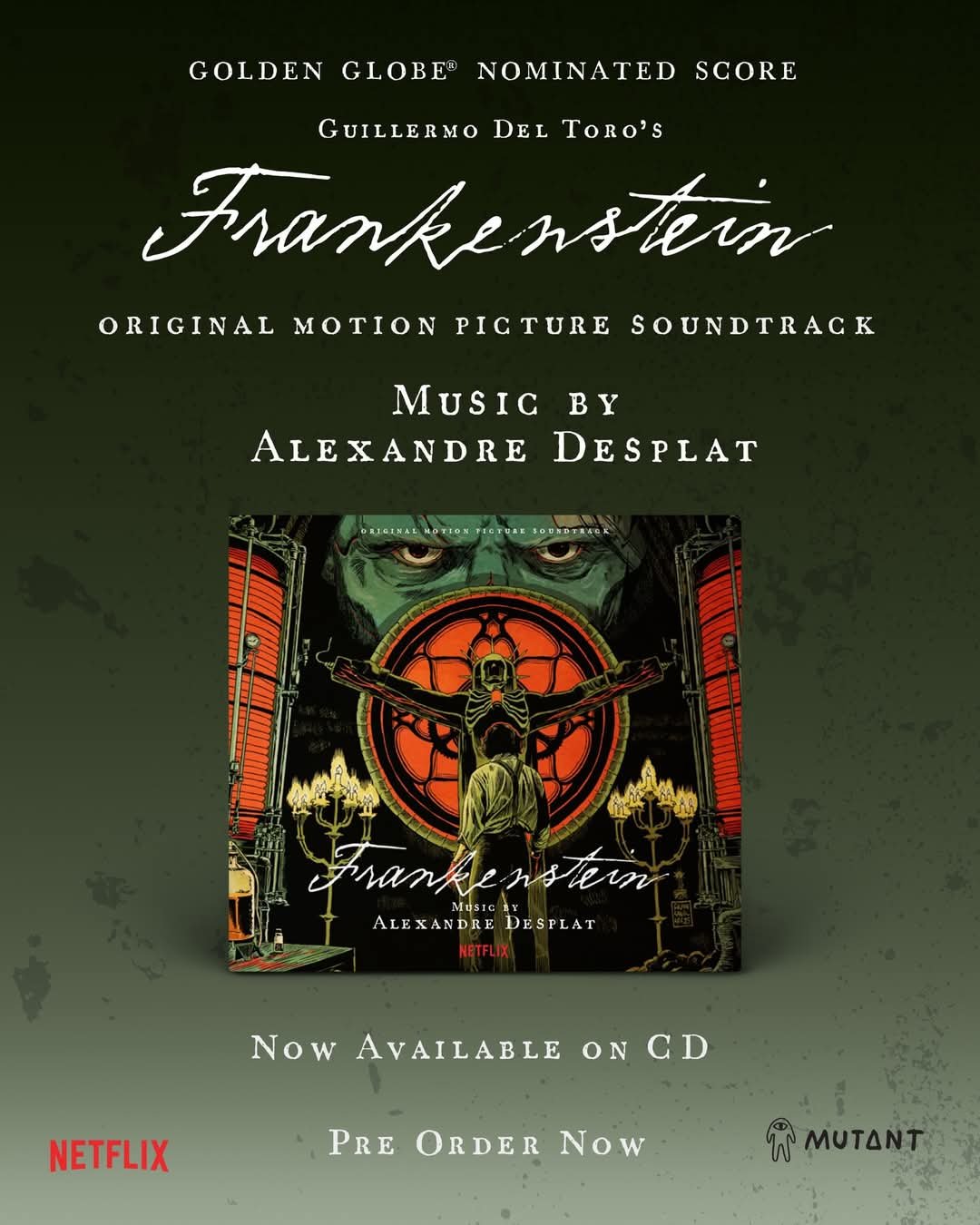
Netflix Music: Alexandre Desplat - Frankenstein
Alexander Grodzinski antwortete auf horner1980s Thema in Scores & Veröffentlichungen
Nun auch auf CD: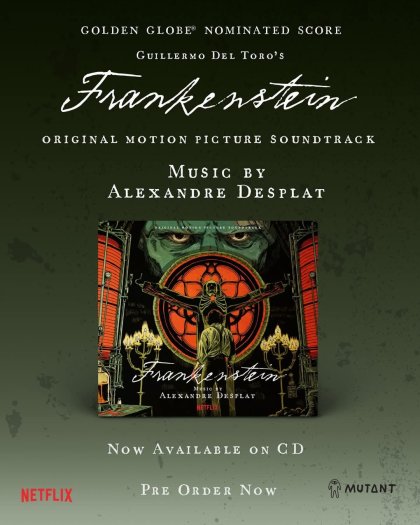
-
Holy Grails - gibt es sie noch?
Alexander Grodzinski antwortete auf Osthunters Thema in Filmmusik Diskussion
Nachdem Intrada für dieses Jahr fünf Williams-Veröffentlichungen angekündigt hat, ist der ja vielleicht dabei. -
intrada Douglass Fake (1952-2024)
Alexander Grodzinski antwortete auf Alexander Grodzinskis Thema in Filmmusik Diskussion
Von Roger: INTRADA ANNOUNCES CHANGE IN OWNERSHIP AND NEW BOARD OF DIRECTORS Co-CEO JEFF JOHNSON Co-CEO ROGER FEIGELSON Treasurer MARY ANN FAKE Secretary ANITA MOORE "I'm going to prove that music that comes from the cinema is substantial music." --Doug Fake, Intrada Founder, President and Producer (1952–2024) As Intrada enters its 40th year of celebrating music from movies and television, they are happy to report their long-term plan to continue locating, restoring and releasing film music from across the decades. The Intrada team concluded its first year without its peerless leader, Douglass Fake, who passed away in July 2024.The team wrestled with his absence, but one thing was front and center––keeping Doug's vision alive. With the equally determined enthusiasm of his family, Jeff Johnson and Roger Feigelson have assumed majority ownership in Intrada, with Doug's daughters, Regina Fake and Veronika Schroers, retaining a minority stake. To drive the company forward, Intrada has put in place a new board of directors: Johnson and Feigelson will assume the role of co-CEOs. Both have extensive experience running the company. Johnson will continue to focus on the retail and distribution portion of the business, while Feigelson will continue to drive label operations, including managing the relationships with licensors, identifying new projects, and managing the production teams. Mary Ann, Fake's widow, has extensive insight and experience into the financial operations of the company and will assume the role of Treasurer. Finally, Intrada's bookkeeper, Anita Moore, who is responsible for the day-to-day financial functioning of the company, will take on the role of Secretary. Doug Fake founded Intrada in 1985, when after operating a retail soundtrack outlet in San Francisco for several years, took up the charge to release and restore the numerous great film scores that no other label was releasing on record. He and a small band of partners came together to license MGM's then-recent release of Red Dawn, scored by Basil Poledouris. Soon after, the company forged a relationship with composer Jerry Goldsmith that also inaugurated the business of recording film scores anew with Islands in the Stream. After several years, the partnership dissolved and Intrada was incorporated into the company that operates today. Over four decades, Intrada has undertaken well over 500 releases from both contemporary and classic films, including such noteworthy releases as Back to the Future, Jaws, Goldsmith's Rambo trilogy, and Conan the Barbarian, to barely scratch the surface. One of the company's highlights is its Excalibur line of film music recordings, now bolstered through Kickstarter crowdfunding to draw supporters together to finance recordings that wouldn't otherwise be feasible. Recent recordings in the Excalibur line feature conductor William T. Stromberg with the Royal Scottish National Orchestra—to absolutely stunning results. Intrada must thank and recognize the vast array of studios and licensors without whom there would be no label, including Universal, Disney, Paramount, Sony Pictures, MGM, Studio Canal, Warner Bros., Universal Music Enterprises, Sony Music Entertainment and so many more. It's difficult to encompass the extended team that has poured its heart into making Intrada's releases the best they can be, but they include Mike Matessino, Neil S. Bulk, Chris Malone, Frank DeWald, Kay Marshall, Joe Sikoryak, Mark Hammon, Joe Tarantino, Doug Schwartz, Pat Russ, Stéphane Coëdel, Leigh Phillips, William T. Stromberg, Anna Bonn Stromberg, Paul Talkington, Bruce Botnick, the late Mike Trevor-Ross, the late Nick Redman, Lukas Kendall, Jon Burlingame, Stéphane Humez, Mark Bagby, the entire team at the Goldsmith Odyssey and so many others, including a stable of talented liner note writers. Thank you for supporting Intrada these past 40 years and for helping Intrada keep Doug's passion alive. He had always been deeply grateful for all the support and it's needed now more than ever. The Intrada team wishes you a happy and peaceful new year! -
Die Komponisten-Liste von Intrada für dieses Jahr von Roger: Happy New Year! Composer line for 2026 (we hope) includes Ron Jones, Gil Melle, Stu Phillips, John Williams, Dimitri Tiomkin, Jerry Goldsmith, Bill Conti, Danny Elfman, John Debney, Jerry Goldsmith, John Williams, John Williams, Elmer Bernstein, John DuPrez, John Williams, James Horner, Charles Fox, Charles Fox, John Williams, Ilan Eshkeri (I don't know...maybe...I hope).
-
veröffentlichung La-La Land Records: BOUND (Don Davis)
Alexander Grodzinski erstellte ein Thema in Scores & Veröffentlichungen
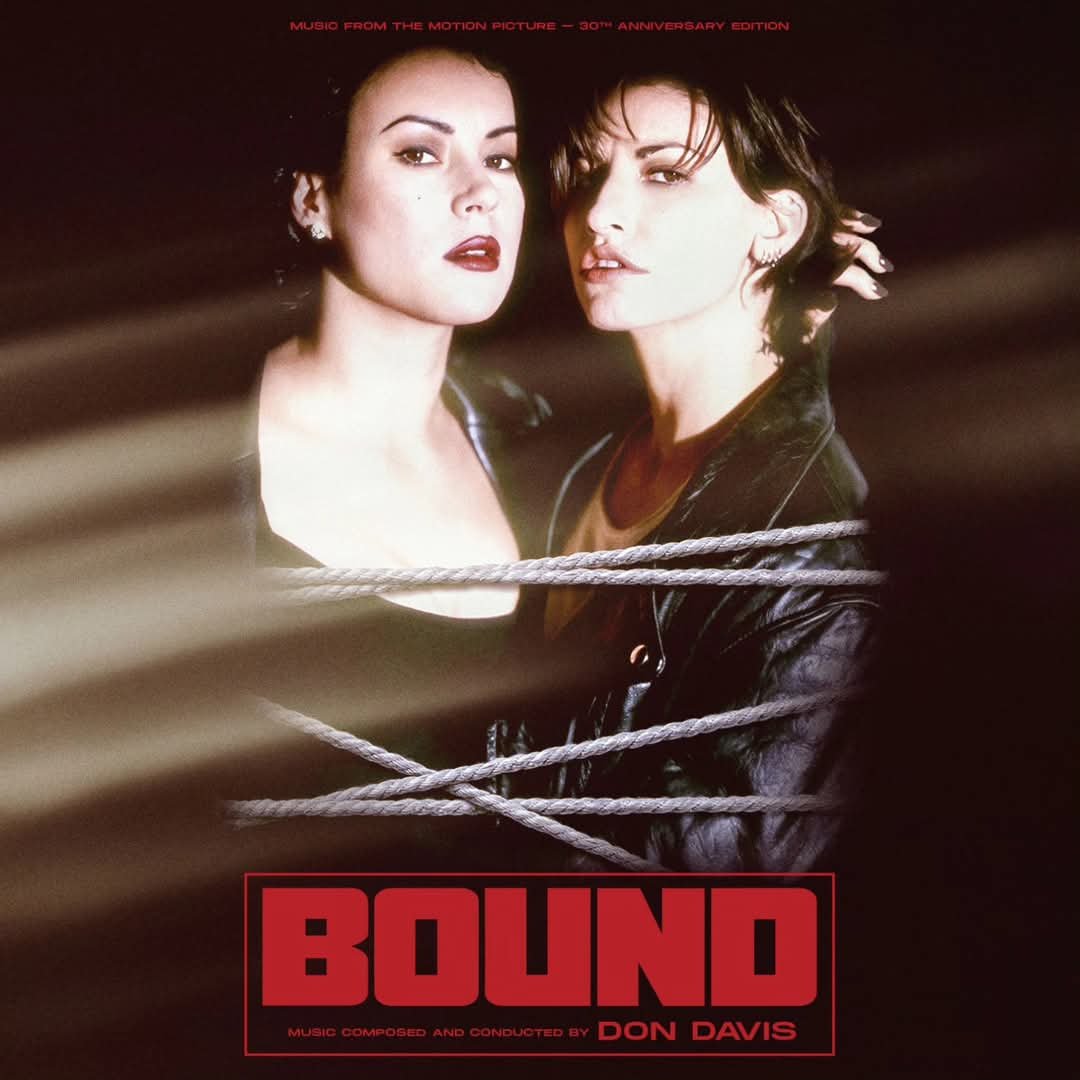
LLLCD 1669 Music by Don Davis Limited Edition of 1000 Units La-La Land Records and Paramount Pictures present the official world premiere CD release of acclaimed composer Don Davis’ (THE MATRIX TRILOGY) original motion picture score to the renowned 1996 feature film thriller BOUND, starring Jennifer Tilly, Gina Gershon and Joe Pantoliano and directed by The Wachowskis. One of contemporary cinema’s most notable, envelope-pushing and entertaining neo-noir thrillers needed an on-target and knowing score to sync perfectly with its seductive and suspenseful tale of two women falling in love as they scheme to rip off a dangerous mobster. Enter composer Don Davis, who pulls it off in enthralling fashion, providing a mood-drenched, propulsive score that shines brilliantly in this presentation. This first remarkable collaboration between the composer and The Wachowskis forged a union that would become legend with THE MATRIX TRILOGY. A new recording of Davis’ concert piece inspired by the film score, “Illicit Felicity”, is included as a bonus track, performed by pianist Jenny Lin. Produced by Don Davis and Dan Goldwasser, and mastered by James Nelson, this special CD release is limited to 1000 units and includes exclusive, in-depth liner notes by writer Daniel Schweiger, featuring new comments from the composer. The cracking art design is by Dan Goldwasser. TRACK LISTING: 1. Closet Diving 2:48 2. Fix My Pipe 5:42 3. Rug Rangers Qu’est-ce Que C’est 2:22 4. Hand It To Shelley 2:01 5. Ravine Cuisine 4:37 6. Yodeling In The Canyon 2:37 7. Girls Having Fun 2:39 8. Ceasar Gets Corked 1:41 9. Thelma And Louise From Hell 1:26 10. Tang Bangers 5:21 11. Dying For His Money 0:20 12. I Am Gino Marzzoni, Capice? 1:59 13. Chicago’s Finest 2:09 14. Jail Bait 0:52 15. Curiosity Cops 1:15 16. Corky’s Peephole 1:06 17. Ceasar Bizarro 3:02 18. Holy Mackerel 1:35 19. In Utero Morituri Te Salutamus 1:17 20. Girl Talk 0:31 21. Bang The Bangers 2:02 22. Out Of The Closet And Down The Stairs 6:38 23. Mambo Mamacita 3:02 24. Illicit Felicity (BONUS TRACK) 3:58 Performed by Jenny Lin TOTAL ALBUM TIME: 62:39 This is a CD format release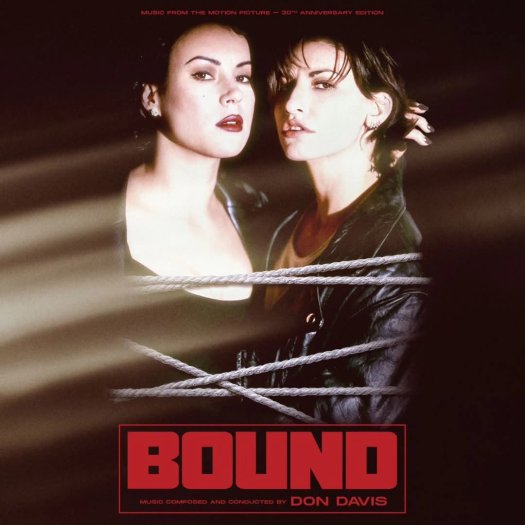
-
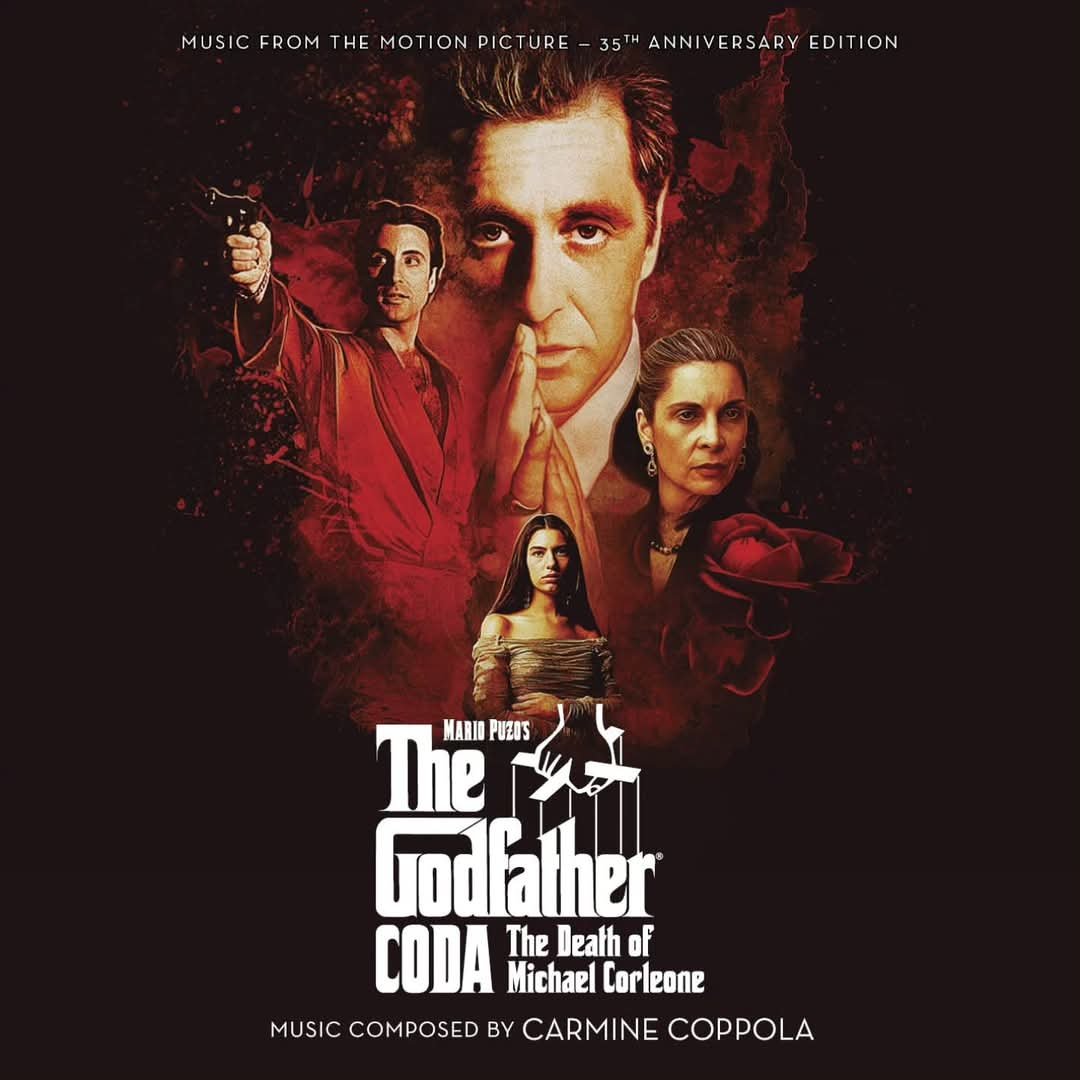
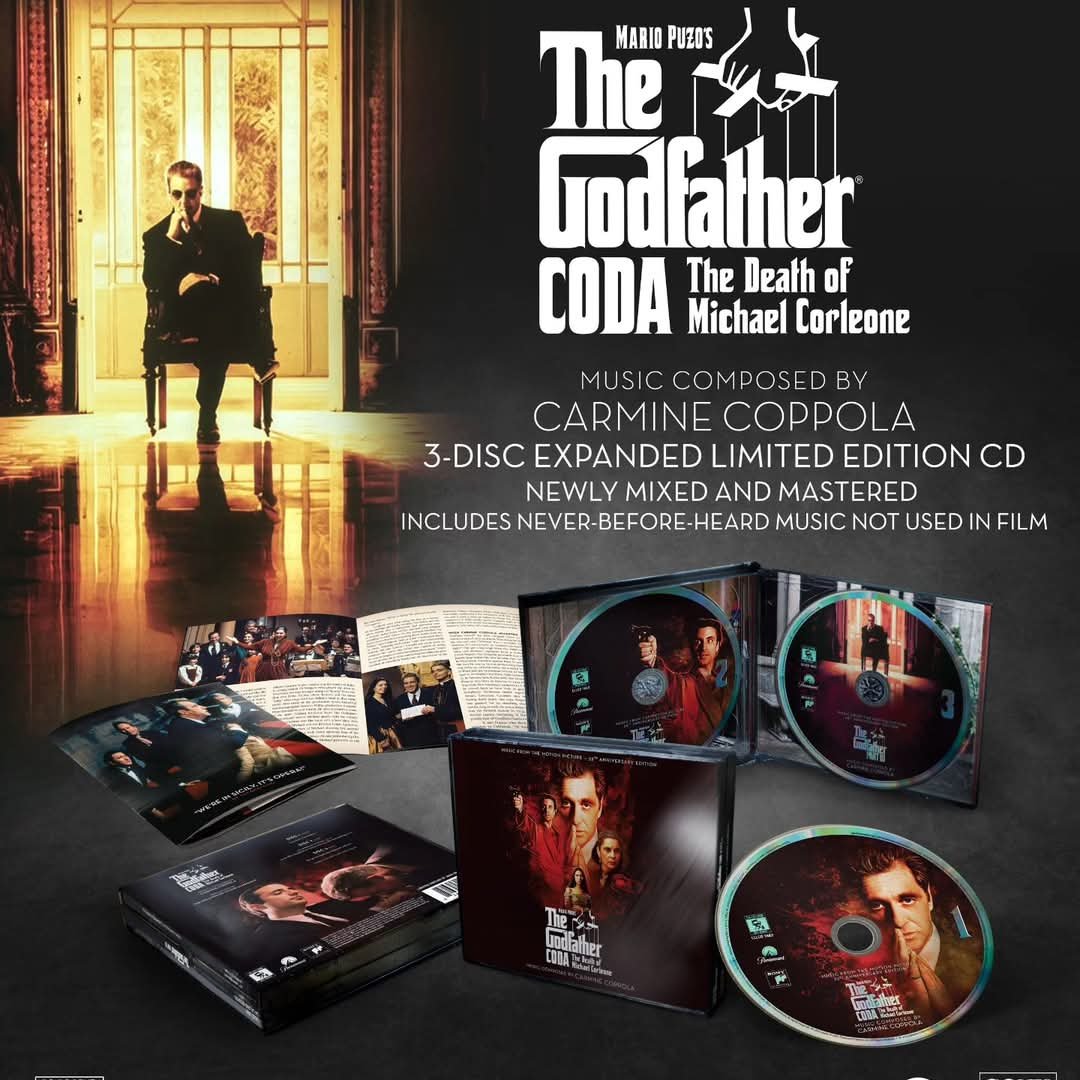
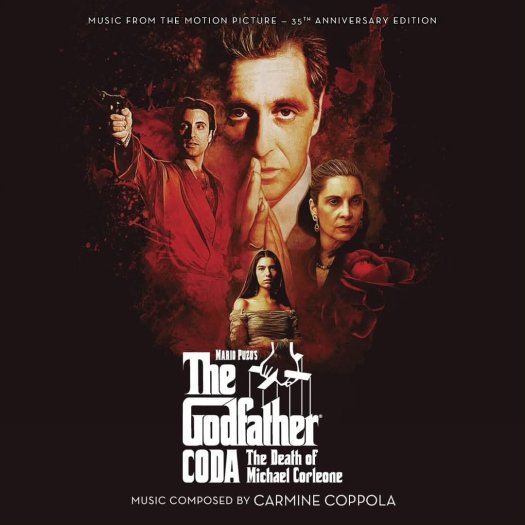
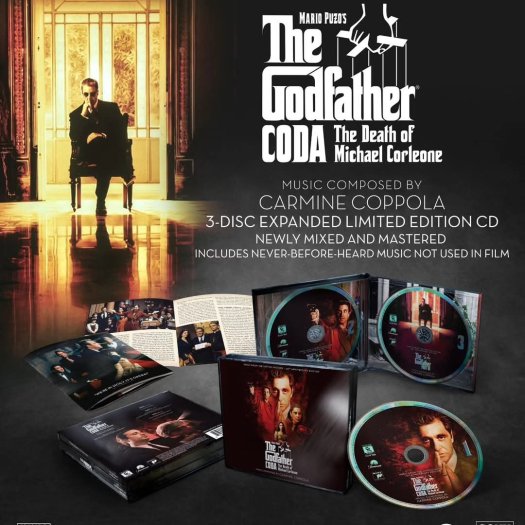
LLLCD 1683 Music Composed by Carmine Coppola Limited Edition of 3000 Units Twice before, La-La Land Records has made you movie music offers you couldn’t refuse. Now… just when you think you’re out… THEY PULL YOU BACK IN! For the 35th anniversary, La-La Land Records, Paramount Pictures and Sony Classical proudly present a remastered and expanded Limited Edition 3-CD release of composer Carmine Coppola’s (THE BLACK STALLION, THE OUTSIDERS) original motion picture score to the 1990 dramatic epic THE GODFATHER CODA: THE DEATH OF MICHAEL CORLEONE. Written by Mario Puzo and Francis Ford Coppola and directed by Coppola himself, the film stars Al Pacino, Diane Keaton and Andy Garcia. Composer Carmine Coppola shared musical responsibilities with Nino Rota on the first two films, together winning the Best Original Dramatic Score Academy Award for THE GODFATHER PART II. For the third chapter, director Coppola reunited with several other key contributors from the first two epics, such as cinematographer Gordon Willis and production designer Dean Tavoularis, but with the passing of Rota in 1979, the director’s father was the logical choice to score the final part of the Corleone crime saga. Using Rota’s music while composing new material, the score is operatic in its power, honoring the classic GODFATHER themes and motifs within a musical storm of brilliant original material including the Oscar-nominated song “Promise Me You’ll Remember” (performed by Harry Connick Jr.). Love, loss, death, power and sin – you’ll find it all here in this magnificent work, finally unleashed in this revelatory remastered and expanded presentation. Produced by Dan Goldwasser and Neil S. Bulk, mixed by Chris Malone, and mastered by Doug Schwartz, this special 3-CD release, limited to 3000 units, includes previously unreleased and unused music and has been approved by Francis Ford Coppola and American Zoetrope. Disc One showcases the film’s expanded score presentation as recorded, debuting many cues for the very first time, while Disc Two presents even more alternate cues, followed by several cues from the original 1972 film that were re-recorded. Disc Three features the remastered Original 1990 Soundtrack Album. The first two discs are newly remixed by Chris Malone from 6-track mixes found on the original ½” digital scoring masters and the third disc is sourced from the original digital album master. The exclusive, in-depth liner notes are by writer Tim Greiving and the sharp art design is by Dan Goldwasser. TRACK LISTING: DISC 1 1:10:08 SCORE PRESENTATION 1. Main Title (Film Version) 2:38 2. Lake Memory 1:00 3. The Godfather Waltz* (Reprise, Intended Film Version) 0:57 4. Foreboding* 1:31 5. The Godfather Waltz 1:24 6. Tough Neighborhood 1:18 7. Connie 0:21 8. Shareholders Meeting 0:42 9. Michael to Rome* 1:17 10. Government Man* / Uncle Michael 1:05 11. Altobello (Film Version) 2:06 12. Drive to Confession 0:39 13. Café Scene 1:26 14. Helicopter Nightmare* / King Lear Madness* 2:45 15. Waldorf* / Chapel* 1:10 16. In the Hospital* 2:53 17. Mary and Tony* 1:07 18. Vincent Kills Joey Zasa* 0:47 19. Vincent’s Theme 1:49 20. Gnocchi Romance* 1:01 21. Transition to Toast* 0:16 22. Love Theme from The Godfather 0:49 23. Sicilian Plot 0:30 24. Pool Salon* / As Guilty as the Others* 0:56 25. Sell Your Soul* / Photo Album* / Lucchesi Meets Vincent* / Evil Toast* 4:29 26. Promise Me You’ll Remember* (Band Version) 2:53 27. Mosca of Montelepre* 0:58 28. Land of Father* 0:43 29. Kay’s Theme 1:20 30. White Smoke* / Papal Montage* 0:59 31. Evil Priests* / Murder Menace* 1:00 32. Tommasino Assassinated* 1:01 33. Insulin Shot* 3:37 34. Tommasino Coffin 2:14 35. Call Yourself a Corleone 1:13 36. Vincent and Mary Break Up 2:00 37. Calo Arrives 0:45 38. Spara Backstage 2:05 39. Pistol to Mosca* 1:02 40. Cue with Archbishop* 1:03 41. Calo Kills Lucchesi 1:19 42. The Godfather Waltz (The Godfather Part III Version) 1:58 43. Love Theme from The Godfather (The Godfather Part III Version) 1:45 44. Love Theme from The Godfather Part III 0:59 45. Promise Me You’ll Remember (Love Theme from The Godfather Part III) 5:10 Performed by Harry Connick Jr. DISC 2 53:45 ADDITIONAL MUSIC 44:43 1. Love Theme / Michael’s Theme 3:34 2. Main Title (Alternate) 2:07 3. Tough Neighborhood (Alternate) 1:27 4. Connie (Alternate) 0:24 5. Shareholders Meeting (Alternate) 0:39 6. Uncle Michael (Alternate Excerpt) 0:22 7. Altobello (Alternate Take) 2:25 8. Drive to Confession (Alternate) 0:45 9. Helicopter Nightmare (Alternate) / King Lear Madness (Alternate) 2:10 10. Waldorf / Chapel (Alternate) 1:10 11. Vincent Kills Joey Zasa (Alternate Excerpt) 0:28 12. Vincent’s Theme (Alternate LP Version) 1:56 13. Vincent’s Theme (Alternate) 1:41 14. Gnocchi Romance (Alternate) 1:12 15. Transition to Toast (Revised) 0:20 16. Photo Album (Alternate) / Lucchesi Meets Vincent (Alternate) / Evil Toast (Alternate) 1:07 17. Promise Me You’ll Remember (Band Version, Early Take) 2:59 18. Land of Father (Alternate) 0:42 19. Kay’s Theme (Viola Alternate) 1:26 20. Murder Menace (Alternate) 0:21 21. Tommasino Coffin (Alternate) 1:08 22. Call Yourself a Corleone (Alternate) 1:07 23. Vincent and Mary Break Up (Alternate Without Harp) 1:01 24. Calo Arrives (Alternate) 0:32 25. Mystery Cues 1:50 26. Helicopter Nightmare (Alternate Brass) 1:34 27. The Godfather Intermezzo Part II 2:36 28. End Credits (Love Theme from The Godfather) 3:08 29. Promise Me You’ll Remember (Orchestral Version) 2:54 30. La campagna di San Giusto (Source) 0:30 31. Tough Neighborhood (Alternate Intro) 0:19 THE GODFATHER (1972) LIBRARY RE-RECORDINGS 9:00 32. Sollozzo the Turk (The Godfather Part III Version) 1:31 33. The Halls of Fear (The Godfather Part III Version) 2:05 34. Michael Takes Over (The Godfather Part III Version) 0:43 35. Apollonia (The Godfather Part III Version) 1:27 36. Marry Me, Kay (The Godfather Part III Version) 1:13 37. The New Godfather (The Godfather Part III Version) 0:26 38. Finale (The Godfather Part III Version) 1:25 DISC 3 54:26 ORIGINAL 1990 SOUNDTRACK ALBUM 1. Main Title 0:42 2. The Godfather Waltz 1:10 3. Marcia Religioso 2:51 4. Michael’s Letter 1:08 5. The Immigrant / Love Theme from The Godfather Part III 2:36 6. The Godfather Waltz 1:24 7. To Each His Own 3:21 Performed by Al Martino 8. Vincent’s Theme 1:49 9. Altobello 2:08 10. The Godfather Intermezzo 3:21 11. Sicilian Medley Va, pensiero / Danza tarantella / Mazurka (alla siciliana) 2:09 12. Promise Me You’ll Remember (Love Theme from The Godfather Part III) 5:10 Performed by Harry Connick Jr. 13. Preludio and Siciliana** 8:15 14. A casa amiche** 2:00 15. Preghiera** 5:29 16. Finale** 8:12 17. Coda The Godfather Finale 2:28 * Not used in film ** Excerpts from Cavalleria Rusticana This is a CD format release. Www.lalalandrecords.com #godfather #godfatherfilms #carminecoppola #francisfordcoppola #soundtracks
-
Die CD erschien 2012. Der Streit ging 2007 los. Also hat LLL knapp vier Jahre an der Veröffentlichung gearbeitet, was ja nicht ungewöhnlich ist. Eigentlich sogar ein relativ kurzer Zeitraum, wenn man bedenkt, dass andere Titel auch schon mal zehn Jahre in der Mache sind. Seitdem erschienen auch keine anderen Goldenthal-Titel von Warner in erweiterter Form.
-
Snow Files of the Week: "The Smell of Zombies/The End of the Crusade" aus der X-Files-Folge "Millennium" (1999). Chris Carters zweite Serie "MillenniuM" endete vor dem Jahr 2000 (das Finale der Serie spielt im Mai 1999 und endet eigentlich mit einem Cliffhanger). Also suchten Carter und sein Team nach einer Möglichkeit, die Geschichte um Frank Black und der MillenniuM-Gruppe abzuschliessen. So kam es zu einer Crossover-Folge in der siebten Staffel der X-Akten. Trotz großer Enttäuschung vieler Fans über das Crossover (nach drei Staffeln „MillenniuM" mit seinem ganzen „story arc" endet es mit Mulder und Frank Black, die in einem Keller Zombies erschiessen), bleibt der herausragende Score von Mark Snow. Es gab ihm die Möglichkeit, die klagende Violine aus „MillenniuM" mit den Klanglandschaften der X-Files zu kombinieren. Und als Mulder und Scully sich endlich küssen, während sie im Fernsehen die Feierlichkeiten zum neuen Jahr 2000 verfolgen, baut Snow das traditionelle „Auld Lang Syne" in seine Musik ein, die mit einem raren Aufblitzen des X-Files-Themas endet. Die Musik wurde auf dem ersten 4-CD-Box-Set von LLL veröffentlicht, welches auf 2.000 Exemplare limitiert ist. Frohes neues Jahr!
-
Weil BATMAN FOREVER an LLL lizenziert wurde, kurz bevor der Rechtsstreit los ging. Daher musste dieses Projekt sozusagen noch ausgeführt werden.
-
John Carpenter - Terror takes shape
Alexander Grodzinski antwortete auf Alexander Grodzinskis Thema in Komponisten Diskussion
Auch Uwe Boll ist ein Fan. -
Snow Files of the Week: "Delete/Branches-Angels" aus "MillenniuM", Episode "Midnight of the Century" (1997). "Midnight of the Century" ist die Weihnachtsfolge der zweiten Staffel "MillenniuM". Sie ist eine der beliebtesten Folgen unter Fans und wird zu Weihnachten gerne nochmal hervorgeholt. In der Folge geht es um den Tod von Frank Blacks Mutter als er noch ein Kind war und um das zerrüttete Verhältnis zu seinem Vater. Eine sehr berührende Folge, die man auch ohne große Vorkenntnisse der Serie gut anschauen kann. Marks Musik trägt zur melancholischen und magischen Stimmung der Folge bei. Er komponierte ein sanftes Thema für die Streicher und kombinierte das mit sanften Chorpassagen, um Franks Reise in seine eigene Vergangenheit zu begleiten. Das Stück "Delete" fand bereits Verwendung in der Akte-X-Folge "Emily" und wurde für "Midnight of the Century" von Marks Music Editor Jeff Charbonneau etwas neu arrangiert. Die Tracks befinden sich auf dem ersten Volume MillenniuM-Musik von LLL, welches auf 1000 Stück limitiert ist. Viel Spaß beim Hören und frohe Weihnachten!
-
veröffentlichung Intrada: THE CHAIRMAN (Jerry Goldsmith)
Alexander Grodzinski antwortete auf Osthunters Thema in Scores & Veröffentlichungen
This year Intrada returned to Scotland to record its fifth Kickstarter-funded album, Jerry Goldsmith's 1969 political-thriller score for The Chairman. Backers have already received a digital version of the album and the feedback has been unanimously filled with praise. "Just heard the complete recording and it's stunning," said one contributor, summing up the overall sentiment. Performed by the Royal Scottish National Orchestra under the baton of William T. Stromberg, Intrada considers this the finest of all our crowdfunded projects to date. The assembly of musicians represents one of the largest assembled in the Scotland studio, featuring a vast array of percussion crowded in the back of the hall. Some of the percussion were modified, including rice poured on the bass drum turned horizontal for a singular rattling effect and the piano being muted with towel-wrapped copies of Shostakovich and Mahler biographies dampening the wires. Even instruments not traditionally used as percussion instruments were used—as percussion instruments. While a soundtrack album was released concurrently with the film on the Tetragrammaton label, the album masters and film recording sessions both vanished over the years. Subsequent CD reissues were limited to rips from vinyl sources, amplifying the limited range and distortion inherit in the format. While a short mono selection of cues in superior sound were released on the prestigious Goldsmith at Fox box set from Varèse Sarabande, it only included one previously unreleased cue less than a minute long. The demand remained for a brand-new recording of the otherwise unattainable score in complete form—which our team, led by producer Leigh Phillips, delivered in spades. To round out this impressive package, the cover is adorned with new artwork by Stéphane Coëdel and in-depth liner notes by Jon Burlingame. As a bonus, Intrada has recorded a suite of previously unreleased Goldsmith compositions otherwise lost to the ages. First, Intrada includes the end title to Rambo II, the original of which only exists on a poor-sounding cassette dub. Then there's "Alex's Death" from Under Fire, the film's set-piece action cue omitted from the original soundtrack. Listen to "The Flag" from Not Without My Daughter, the previously unreleased film version that features a militaristic trumpet solo (a favorite Goldsmith sound of our late founder Douglass Fake) also missing from the original soundtrack. This album also includes "Homer Writes" from Lilies of the Field—another track long since lost and not included on the original soundtrack. And as a surprise, Intrada recorded the demo Goldsmith composed for The Game of Our Lives, never heard anywhere before. Play all clips THE SCORE 01. Main Title (From The Chairman) (3:24) 02. Old Times (0:27) 03. Goodbye For Now (1:45) 04. The City (1:02) 05. The Strippers (1:17) 06. House Of Elegant Pleasure (1:11) 07. A Late Visitor (complete) (3:44) 08. The Airport (1:24) 09. The Schools (1:23) 10. The Red Guard (2:26) 11. Hathaway’s Arrival (3:14) 12. The Bottle (2:37) 13. The Students (3:23) 14. The Laboratory (2:33) 15. Hathaway’s Plans (Part 1) (2:45) 16. Hathaway’s Plans (Part 2) (2:12) 17. Hathaway’s Flight (3:35) 18. The Mine (1:32) 19. The Russians Are Coming (1:50) 20. The Countdown (1:10) 21. The Bomb (0:48) 22. End Title And End Credits (From The Chairman) (3:15) Total Score Time: 47:01 THE EXTRAS 23. The World Only Lovers See (2:36) 24. Under Fire – Alex’s Death (3:16) 25. Lilies Of The Field – His Part/Bells Someday (1:47) 26. Rambo II – End Credits (3:19) 27. Not Without My Daughter – The Flag (2:44) 28. The Game Of Their Lives – (Jerry’s Demo #1) (3:16) Total Extras Time: 16:58 Total CD Time: 63:58 -
Snow Files of the Week: "Search your heart/Passing the Torch" aus "Ernest Saves Christmas" (1988). Und wir setzen die weihnachtliche Zeit fort mit einem weiteren Trackpaar aus "Ernest Saves Christmas". Für Freunde altmodischer Weihnachtsscores ist das genau das Richtige, Snow erschafft mit seinem Orchester einen einschmeichelnden Wohlfühlscore mit einigen Slapstick-Einwürfen. Viel Spaß beim Hören!
-
John Carpenter - Terror takes shape
Alexander Grodzinski antwortete auf Alexander Grodzinskis Thema in Komponisten Diskussion
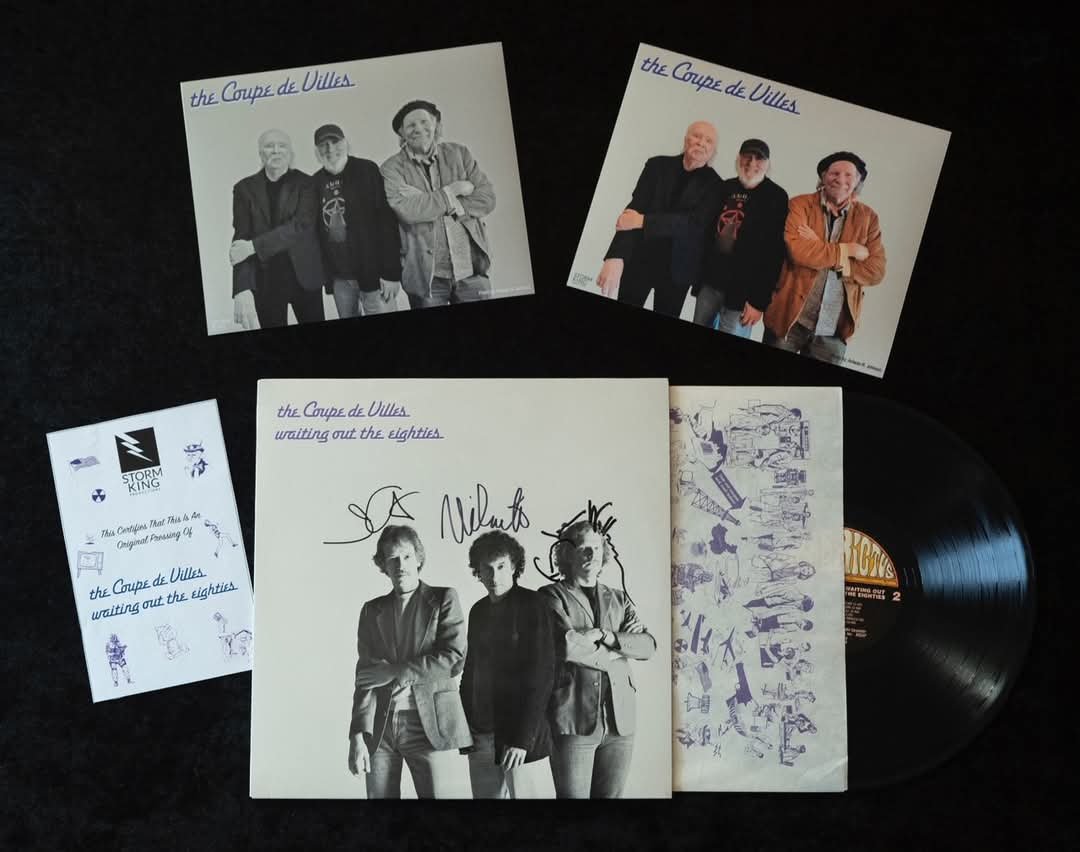
Wer ein bisschen Geld übrig hat... In Carpenters Shop kann man nun auch das Album der Coupé de Villes, "Waiting Out The Eighties", bestellen. Das Album wurde 1985 von Alan Howarth produziert und enthält hauptsächlich von Carpenter geschriebene Songs. Die Band bestand neben Carpenter noch aus Nick Castle und Tommy Lee Wallace. Das Album wurde in kleiner Auflage nur auf LP produziert, war aber nie käuflich erwerblich. Es wurde quasi nur für Freunde und Familie produziert. Nun hat man wohl in einem Lagerhaus Kartons mit weiteren Exemplaren der damaligen Pressung gefunden und diese sind nun käuflich erwerblich. Entweder nur die LP für 250 Dollar, von Carpenter signiert für 500 Dollar oder von allen drei Bandmitgliedern signiert für 750 Dollar. Das sind natürlich stolze Preise. Auf der anderen Seite wurde die LP auf Discogs auch schon für 860 Euro verkauft. Es würde mich auch nicht wundern, wenn Sacred Bones Records das Album eines Tages noch veröffentlichen. In 1985, John Carpenter and his long time friends and collaborators Nick Castle and Tommy Lee Wallace recorded the title track to John’s film, Big Trouble in Little China, under the moniker The Coupe De Villes. They enjoyed the process so much that they decided to write and record a full album together. They called it, Waiting Out the Eighties. As lore would have it, they only pressed 150 copies of the album and gave them out to friends and family. This album, for years now, has been a Holy Grail album for many a fan and collector. But what if we told you they pressed more than that? What if we told you that during another warehouse purge, behind a stack of movie posters and boxes of props and scripts, we found… more boxes? Boxes that had been sitting untouched for 40 years. Boxes that contained more sealed copies of this lost album. Well, guess what. We did. We carefully extracted the boxes, and for months now, have been opening and meticulously checking the condition of these albums, removing the warped and time-scarred records and saving the rest. Yes, unfortunately, some didn’t quite survive the decades, but most did, and we are now ready to start making them available to you. And if that wasn’t cool enough, the band reunited earlier this year when John received his star on the Hollywood Walk of Fame, and the guys were gracious enough to sign some sleeves. We will be releasing these limited copies of Waiting Out the Eighties in three tiers. Tier 1 - Unsigned. For $250, you get the album. Tier 2 - Signed by John Carpenter. For $500, this comes with a custom CoA from Storm King Productions and a black and white photo taken earlier this year of John Carpenter, Nick Castle and Tommy Lee Wallace recreating their album cover from 40 years ago. Tier 3 - Signed by John Carpenter, Nick Castle, and Tommy Lee Wallace. For $750, this comes with a custom CoA from Storm King Productions, a black and white photo taken earlier this year of John Carpenter, Nick Castle and Tommy Lee Wallace recreating their album cover from 40 years ago, and a color version of the photo. These are hand numbered 1 through 250 on both the back of the album sleeve and the CoA. Please note… these albums are from the original pressing 40 years ago. There may be minor imperfections, but we’ve been visually inspecting each and every album, as well as doing random testing of sound quality, and the albums that have failed any of the above have been removed. ALL albums have been opened, and all will come in a protective outer sleeve. Collectors, take your marks… Coupe De Villes recreation photo and teaser by: Antwan Johnson PURCHASE LINK: https://stormkingcomics.com/collections/holiday-2025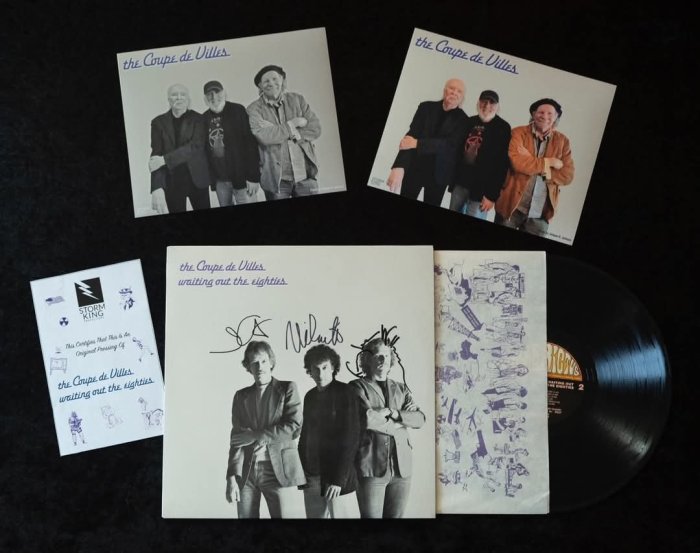
-
veröffentlichung INTRADA - Brad Fiedel FRIGHT NIGHT
Alexander Grodzinski antwortete auf Souchaks Thema in Scores & Veröffentlichungen
Klanglich ist die Neuauflage wirklich top geworden. Ein wenig schade ist, dass die von Fiedel gesungene Version von "Come to me", die auf der ersten Intrada-Veröffentlichung noch enthalten war, hier nun fehlt. Gut, sie kommt im Film auch nicht vor und wurde von Fiedel nur für das Song-Album aufgenommen, aber der Vollständigkeit halber wäre das bei einer Neuauflage schon nett gewesen. Vielleicht ist der Song dann in fünf Jahren für die 45th Anniversary Edition wieder mit dabei Das Song-Album erschien ja auch zwischenzeitlich von Perseverance auf CD, nachdem es das Album bisher nur auf LP gab. Und da ist die Fiedel-Version von "Come to me" ja auch dabei. -
Snow Files of the Week: "Santos Elves/The Way it was" aus "MillenniuM", Episode "Omerta" (1998). "Omerta" ist die Weihnachtsfolge der dritten Staffel von "MillenniuM". Darin geht es um zwei junge Frauen, die in den Wäldern leben, fernab der Zivilisation. Ihre Namen sind Lassa und Rose, Lassa hat heiliende Kräfte. Für seine Musik benutze Mark opernhafte Gesang-Samples, die der Musik einen magischen Touch verleihen. Mark kombiniert seine düsteren Klanglandschaften mit dem wundervollen Thema für Lassa und Rose, womit "Omerta" eine der "MillenniuM"-Folgen mit der aussergewöhnlichsten Musik ist. Die Tracks befinden sich auf dem ersten Volume mit "MillenniuM"-Musik von LLL, limitiert auf 1.000 Stück. Viel Spaß beim Hören!
-
Shipping starts on 12/10 Quartet Records, in collaboration with Universal Music Enterprises and Paramount Pictures, presents the restored and remastered 2-CD reissue of Hans Zimmer’s iconic score for Ridley Scott’s 1989 action-suspense film BLACK RAIN, starring Michael Douglas and Andy Garcia as two New York City cops who arrest a Yakuza member and must escort him to Japan for extradition. BLACK RAIN was the first collaboration of Hans Zimmer with Ridley Scott, kicking off a creative partnership that would go on to produce some of the most thrilling film scores of the next two decades. For this new release of the BLACK RAIN score, we were fortunate to access archival studio materials that had been transferred within the last decade—sources that were unavailable for previous editions. These included the original 24″ and 32″ multitrack recordings. With these elements in hand, the score was carefully restored, cleaned and remixed to achieve vastly improved sonic fidelity. Among the discoveries in these transfers were several unexpected bonuses. This expanded edition has been a long time coming, and we’re thrilled that fans can finally experience Hans Zimmer’s early action score in its most complete and dynamic form to date. Painstakingly produced by Stéphane Humez and Dan Goldwasser, mixed and mastered by Maxime Marion with the supervision and approval of the composer, the package includes detailed liner notes by Kaya Savas, including an exclusive interview with Mr. Zimmer. DISC 1. THE FILM SCORE I’ll Be Holding On (Opening Titles Version) 2:39 Gregg Allman Scalari’s 6:09 One-Way Glass – Osaka 1:05 Phony Cops – You Gonna Be Nice? 1:40 Club Miyako 4:58 Sato Watching / Circling Motorbikes 2:01 Sugai’s Photo / Police Observers 4:01 Stealing Money 2:08 Charlie’s Death – Aftermath: Nick & Joyce 5:17 Charlie’s Things 3:18 Sequins 2:44 Masa’s Reprimand 1:55 Following Miyuki 3:51 The Steel Mill / Meeting In The Steel Mill 2:55 Steel Mill Chase / Airplane / Escape 6:20 Sugai Has Nick Over For A Chat 9:01 Arrival Of Oyabuns – Sato’s Arrival / Meeting 7:57 Bikes / Fight – Bullpen / Awards (Film Version) 5:20 Airport (Film Version) 1:48 I’ll Be Holding On (End Titles Version) 4:01 Gregg Allman DISC 2. THE ORIGINAL ALBUM 1. Livin’ On The Edge Of The Night 3:40 Iggy Pop 2. The Way You Do The Things You Do 3:15 UB40 3. Back To Life (Jam On The Groove Mix) 5:09 Soul II Soul & Caron Wheeler 4. Laseman 4:48 Ryuichi Sakamoto 5. Singing In The Shower 4:23 Les Rita Mitsouko & Sparks 6. I’ll Be Holding On 5:40 Gregg Allman 7. Black Rain Suite: Sato 4:45 8. Black Rain Suite: Charlie Loses His Head 7:03 9. Black Rain Suite: Sugai 6:55 10. Black Rain Suite: Nick And Masa 2:52 Bonus Tracks 11. Airplane Muzak (Source) 2:06 12. Art Of The Fugue (Source) 4:21 13. Charlie’s Death (Monks Wild) 2:12 14. Charlie’s Death – Aftermath: Nick & Joyce (Alternate) 5:17 15. Masa’s Reprimand (Alternate) 1:53 16. Bikes / Fight (Alternate) 3:21 17. Bikes / Fight – Bullpen / Awards / Airport (Alternate) 9:28 Total Disc Time 1: 79:20 Total Disc Time 2: 77:18 Total Album Time: 156:38
-
Shipping starts on 12/10 Quartet Records and Paramount Pictures present a revised, greatly expanded edition of Dave Grusin’s delightful score for Warren Beatty’s classic HEAVEN CAN WAIT (1978), a remake of the 1941 Columbia Pictures film HERE COMES MR. JORDAN. Co-directed by Beatty and Buck Henry, starring Beatty himself, along with Julie Christie, James Mason, Jack Warden, Dyan Cannon and Charles Grodin, the film was a huge box office success and received nine Oscar® nominations, including Best Picture and for Grusin’s original score. The film is about a Los Angeles Rams quarterback, who, accidentally taken away from his body by an overanxious angel before he was meant to die, returns to life in the body of a recently murdered millionaire. “One of the joys of working on soundtracks for old scores is discovering music that was never used in the film. This was especially true in the case of HEAVEN CAN WAIT. While Dave Grusin spotted over 22 minutes of score for the film, the final cue sheet shows that only about 13 minutes were ultimately used. “The decision to source this new album from new, hi-res transfers of the original 2″, 16-track recordings suddenly showed us that there was more music here than we knew about. A lot more: we discovered not just additional music and unused cues, but five times as much as we had anticipated based on the previous soundtrack release of this score. “The recording timeline shows that Grusin recorded the bulk of his original score in late April 1978, followed by revisions and alternates in mid-to-late May, with one recorded reel dated June 9; the film was released on June 28. While some of these revisions made it into the final film, most were unused, with the filmmakers often opting for source material or musically editing previously used score cues. “Given the brevity and variety of the cues, editing them all into score suites was impractical, though a few were combined. The resulting presentation, past the main score portion, feels more archival and fragmentary than a pure listening experience. Nonetheless, hearing how Grusin modified and reworked the cues—or what he originally intended—provides valuable insight into his creative process.” (Dan Goldwasser, producer) Patiently and carefully remixed and mastered by Chris Malone, and meticulously produced by Dan Goldwasser, this 80-minute album includes a package with new liner notes by film music writer Jeff Bond discussing the film and the score. The Film Score 1. Heaven Walk 1:46 2. I Understand / Walk to House 0:49 3. Betty’s Entrance / Decision to Farnworth 0:50 4. Dinner at 8 / Dinner at 9 1:34 5. Meeting of the Bored / Head Home 1:46 6. At the Drive-In 1:01 7. Training Montage 1:33 8. Garden Walk 2:15 9. Marry Me 1:12 10. Bad News 0:47 11. Goodbye 0:52 12. Last Walk 1:22 13. Butler to Betty / Stadium Transition 1:08 14. Jordan Exits 1:07 15. Max 1:16 16. End Titles 2:54 Bonus Tracks 17. Heaven Walk (Alternate 1) 2:25 18. Heaven Walk (Alternate 2) 1:44 19. Heaven Walk (Alternate 3) 2:34 20. I Understand (Alternate) 0:36 21. Walk to House (Original) 0:37 22. Walk to House (Original Alternate) 0:38 23. Betty’s Entrance (Alternate) / Decision to Farnsworth (Alternate) 0:49 24. Dinner at 9 (Alternate) 0:26 25. Meeting of the Bored (Original) / Head Home (Alternate) 1:22 26. At the Drive-In (Original) 1:32 27. At the Drive-In (Revised Alternate Mix) 0:59 28. At the Drive-In (Revised Alternate) 0:49 29. Garden Walk (Original) 2:03 30. Garden Walk (Original Alternate 1) 2:05 31. Garden Walk (Original Alternate 2) 1:53 32. Garden Walk (Original Alternate 3) 1:52 33. Garden Walk (Revised alt. With sax improvisation) 2:15 34. Garden Walk (Revised Alternate) 2:20 35. Marry Me (Three Revisions) 1:08 36. Goodbye (Original) 2:05 37. Goodbye (New Alternate) 0:53 38. Last Walk (Original) 1:11 39. Last Walk (Revised Alternate) / Last Walk Extension (Alternate) 1:24 40. Butler to Betty (Original) 0:45 41. Butler to Betty (New Alternate) / Stadium Transition (Original) 1:23 42. Jordan Exits (Original) 1:08 43. Max (Original) 1:43 44. Max (Revised Alternate 1) 0:52 45. Max (Revised Alternate 2) 0:55 46. Max Extension (Version 1) 1:37 47. Max Extension (Version 2) 0:54 48. End Titles (Original) 2:50 49. End Titles (Revised Alternate) 2:51 50. Drive-In Source 4:04 51. Heaven Loop FX 4:11 Total Disc Time: 79:26
-
Shipping starts on 12/10 Quartet Records, in collaboration with Universal Music Enterprises, Studiocanal and Calash Corporation, presents a 40th-anniversary, restored and remastered edition of Henry Mancini’s classic Christmas score for SANTA CLAUS: THE MOVIE. The film, directed by Jeannot Szwarc in 1985, starred Dudley Moore, David Huddleston and John Lithgow, was an ambitious and expensive project produced by Alexander and Ilya Salkind, and although it was not the box office hit it was expected to be, has gained fans over time to become a cult film. One of the most important aspects of the film was its score, for which Salkinds hired Henry Mancini. The composer was deeply involved in the production, composing more than 85 minutes of original music for the 109-minute film. This score is surely one of the biggest symphonic efforts of his career, beautiful, diverse and emotional, written during the same period as LIFEFORCE and THE GREAT MOUSE DETECTIVE. Recorded at CTS Studios in London with the National Philharmonic Orchestra, the score also features The Ambrosian Singers and The Ambrosian Children’s Choir performing several charming songs written by Mancini and Leslie Bricusse. For the original album, released in 1985 by EMI America, Mancini prepared a program of highlights lasting only 37 minutes. Some themes were modified for their album version—with different durations, slightly different mixes or the addition of pop elements. Almost all of Mancini’s underscore was missing. Quartet Records released Mancini’s score in its entirety in 2012 and reissued it in 2019 on a 3-CD set, mastered from ½̋″ 3-track. For this new edition, the recently discovered complete first-generation 2″ 24-track set has been transferred in high resolution, allowing engineer Chris Malone to offer a fully restored, remixed and remastered version from the scoring masters recorded by Dick Lewzey. Showcased in a 2-CD set, Disc 1 includes the complete score, while Disc 2 brings together the original songs by Mancini and Bricusse, as well as all the recorded versions intended for the 1985 original album and alternates, including two previously unreleased tracks. We have not included the two pop songs that had nothing to do with Mancini and were included in the film and the original album for commercial purposes. The package includes in-depth liner notes by film music writer John Takis, discussing the film and scores, and features art direction by Jim Titus. This deluxe presentation unleashes the Mancini Christmas magic sounding like never before. DISC 1. The Original Score Main Title – Every Christmas Eve / Santa’s Theme 4:32 North Star / Arrival of the Elves 4:09 Santa’s New Home 4:14 The Magic Workshop 1:46 Reindeer Stable 1:54 Making Toys (Film Version) 4:03 Season’s Greetings 1:40 The Ancient One 2:34 Santa Claus / First Sleigh Ride / Christmas Rhapsody 5:31 Naughty or Nice 1:01 Into the XXth Century 1:40 It’s Christmas Again (Film Version) 2:40 March of the Elves 2:58 Table Scraps 1:21 A New Sleigh Ride / Santa Meets Joe 1:47 Sleigh Ride Over Manhattan 4:18 Cornelia’s Home 1:32 Bad Toys 0:40 Sad Patch 3:12 Vanishing Elf 1:42 No Free Toys 1:11 Present for Joe 0:50 Patchmobile / Patch Versus Santa 5:18 Lollipop Flight 1:42 Stronger Formula 1:39 The World Is Different 1:07 A New Doll 0:49 Eavesdropping 2:31 Letter From Cornelia 2:34 Elf Portrait 1:48 Flight From Police 0:31 To the North Pole / Super Duper Looper / Reunited Again 6:10 DISC 2. Songs, Alternates, Outtakes and Other Gifts Thank You, Santa 4:47 Main Title – Every Christmas Eve / Santa’s Theme (Alternate Lyrics) 4:12 Making Toys (Album Version) 4:01 Christmas Rhapsody (Album Version) 3:53 It’s Christmas Again (Album Version) 2:30 Patch, Natch! 1:15 Sleigh Ride Over Manhattan (Album Version) 4:16 Patch Versus Santa (Album Version) 4:13 Thank You, Santa (Album Version) 3:11 Sleigh Ride Over Manhattan (Alternate) 4:18 Patch Versus Santa (Alternate) 4:35 The World Is Different (Alternate) 1:01 To the North Pole (Alternate) 3:50 Main Title – Every Christmas Eve / Santa’s Theme (Instrumental) 4:30 Making Toys (Children’s Choir) 4:01 Thank You, Santa (Alternate Vocal) 3:35 Making Toys (Men’s Choir) 4:02 It’s Christmas Again (Instrumental) 1:20 It’s Christmas Again (Christmas Bells) 1:18 Patch, Natch! (Instrumental) 1:15 Making Toys (Instrumental) 4:41 Thank You, Santa (Instrumental) 4:41 Making Toys (Little Band Overlay) 0:27 Making Toys (Percussion Overlay) 0:25 Making Toys (Choral Insert) 0:28 Chopin’s Waltz (Source) 0:30 Christmas Jingles (Rehearsal) 2:38 Total Disc Time 1: 79:41 Total Disc Time 2: 79:23 Total Collection Time: 159:04
-
Shipping starts on 12/10 Quartet Records proudly presents the premiere release of the brilliant, nostalgic score by renowned composer Carter Burwell (MILLER’S CROSSING, WATERLAND, FARGO, CAROL) for the 1995 iconic film THE CELLULOID CLOSET, celebrating its 30th anniversary. Directed by Rob Epstein and Jeffrey Friedman, this comprehensive documentary covers the history of gays and lesbians in cinema, from negative to positive portrayals of gay characters, as well as the challenges faced by actors and actresses. Carter Burwell provides a score that evokes the romanticism of Hollywood’s golden age, with a joyful and catchy main theme that radiates a sense of exuberant nostalgia, even when the score becomes more contemplative and dark. Burwell often plays with the narration’s ironic humor and the interviewees’ reflections, mirroring reality with melancholic orchestration. The score becomes a bridge between irony and sincerity, between memory, nostalgia, and desire. Recorded at the legendary MGM Recording Studios with a large orchestra conducted by the composer, the score also offers a touching arrangement of the song “Secret Love” (from the film CALAMITY JANE), emotionally performed by k.d.lang. The CD is rounded out with a selection of songs from films that were important in the development of the documentary. This album has been supervised by Carter Burwell, restored by Chris Malone, and mastered by Doug Schwartz. The package includes in-depth liner notes by film music writer Daniel Schweiger, including exclusive interviews with the composer and directors for this release. The design is by the creator of the original art for the film, Juan Gatti. Secret Love k.d.lang Titles Shades Give Me The Man Marlene Dietrich Will Hayes Raids I Wanna Be Loved by You Marilyn Monroe Silents The Code Of Liberation Ain’t There Anyone Here For Love? Jane Russell Gays Fight Back Men Where Men (Love Is Like A) Heat Wave Martha Reeves & The Vandellas Psychopaths Making Love Roberta Flack Kissing Finale Secret Love Doris Day
-
Shipping starts on 12/10 Quartet Records and Universal Pictures Film Music Classics Collection present the premiere release of THE DAY OF THE JACKAL (1973), celebrating the centenary of the renowned and much-missed composer Georges Delerue, born in 1925 in Roubaix (France) and who died suddenly in Los Angeles in 1992. THE DAY OF THE JACKAL was a brilliant, dynamic suspense thriller, masterfully directed by Fred Zinnemann, based on Frederick Forsyth’s bestseller. In the aftermath of France granting Algeria independence, a group of resentful military veterans hires a professional assassin, codenamed “Jackal,” to kill President Charles de Gaulle. Starring Edward Fox as the “Jackal,” along with Michael Lonsdale, Derek Jacobi, Alan Badel and Cyril Cusack, the film was a huge commercial and critical success. Georges Delerue had previously worked with Zinnemann on the historical drama A MAN FOR ALL SEASONS (1966), and they reunited again on JULIA (1977). For THE DAY OF THE JACKAL, the composer wrote a brief but energetic score with fatalistic overtones and dark textures. The score features suspense writing for strings in Delerue’s own style, with a hint of Bernard Herrmann in some of the repeating, minimalist suspense material. Delerue recorded about 30 minutes of music, about a third of which are source tunes, including pop music, Muzak-style pieces, accordion street music and a waltz. However, only about five minutes of dramatic underscore remain in the film, with no music in the second half. For this release, we have assembled Delerue’s score to include unused material and present what might have been and how the composer may have intended his score to play in the movie. For this premiere edition, painstakingly restored and mastered by Mike Matessino, we have used the surviving tapes courtesy of Universal Pictures and the Georges Delerue estate. The package includes an in-depth essay by film music writer Jeff Bond, discussing the film and the score. Jackal Opening 2:37 The Day of the Jackal – Main Title 0:45 Failed Assassination 1:10 New Identity 3:03 Assignment For Denise 3:06 Jackal Walking No. 1 2:16 Forger Dead / Love Theme 0:56 Leash Off Dog 1:46 Sexy 2:35 Street Sounds 2:33 Hotel Lobby Waltz 1:20 Lounge Coffee 1:57 Jackal Checks Into Hotel 0:46 Jackal Out Of Cab 0:56 Jackal Walking No. 2 1:40 The Jackal Gets It 2:45 Total Album Time: 30:15