Alle Aktivitäten
Dieser Stream aktualisiert sich automatisch
- Letzte Stunde
-
INTRADA: Night of the Hunter (Walter Schumann)
scorefun antwortete auf Osthunters Thema in Scores & Veröffentlichungen
Nachricht von Roger Ist aber noch 'ne lange Zeit bis dahin... - Heute
-
Marvel‘s Deadpool VR - Christopher & Gil Young
Osthunter antwortete auf ronin1975s Thema in Game Scores, Trailer- und Hörspielmusik
Interview mit Chris über das Projekt: https://www.theblankmag.com/interviews/christopheryoung -
Zumindest die Rezensionen kann ich rüberkopieren: https://www.movie-wave.net/the-oval-portrait/ https://moviemusicuk.us/2025/12/14/under-the-radar-round-up-2025-part-7/#more-18967
-
 Hm, aber diese Veröffentlichung würde mich absolut nicht jucken! Ich habe für solche Sampler aber ohnehin nichts übrig
 -
Interessante Info, wusste ich bisher noch nicht ..
-
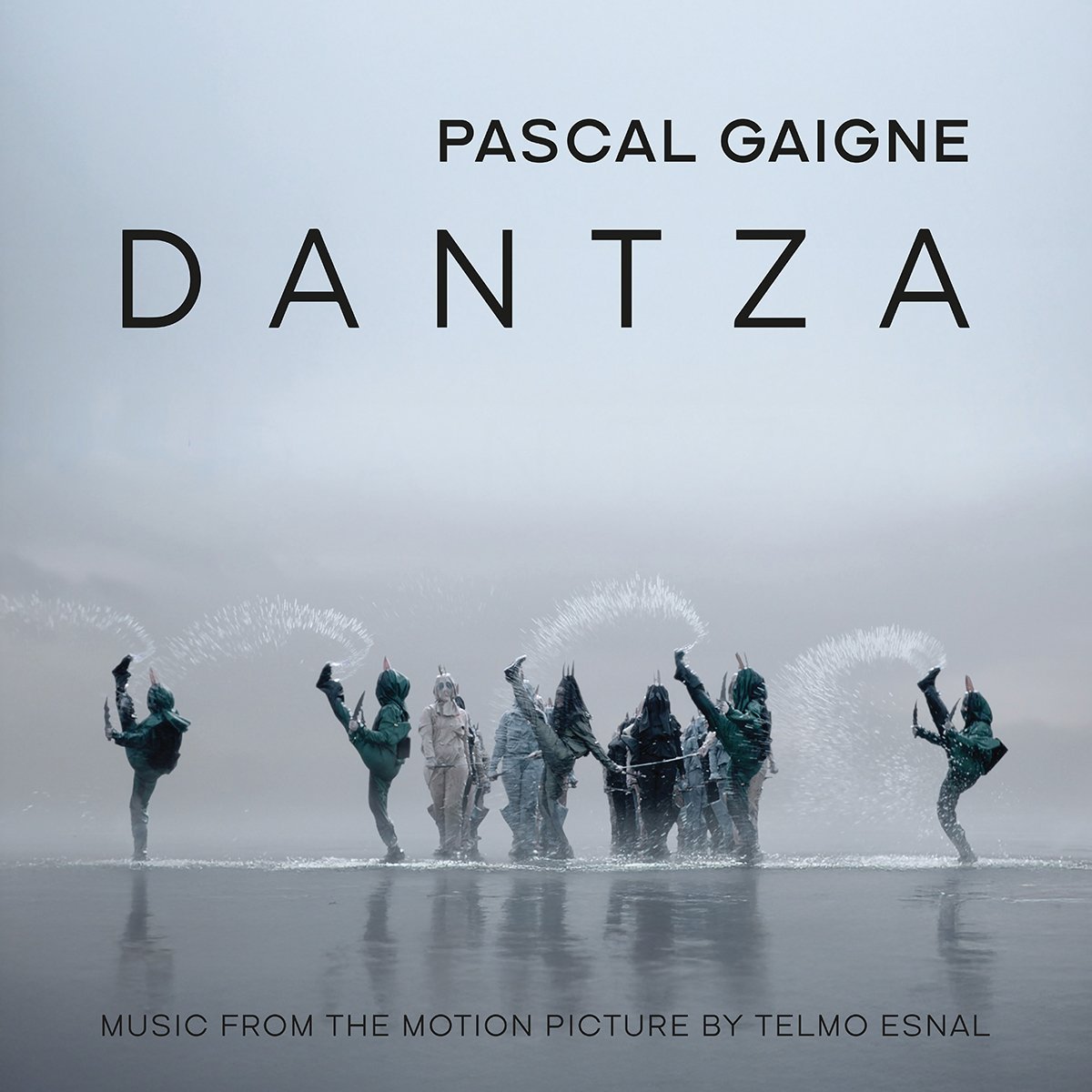
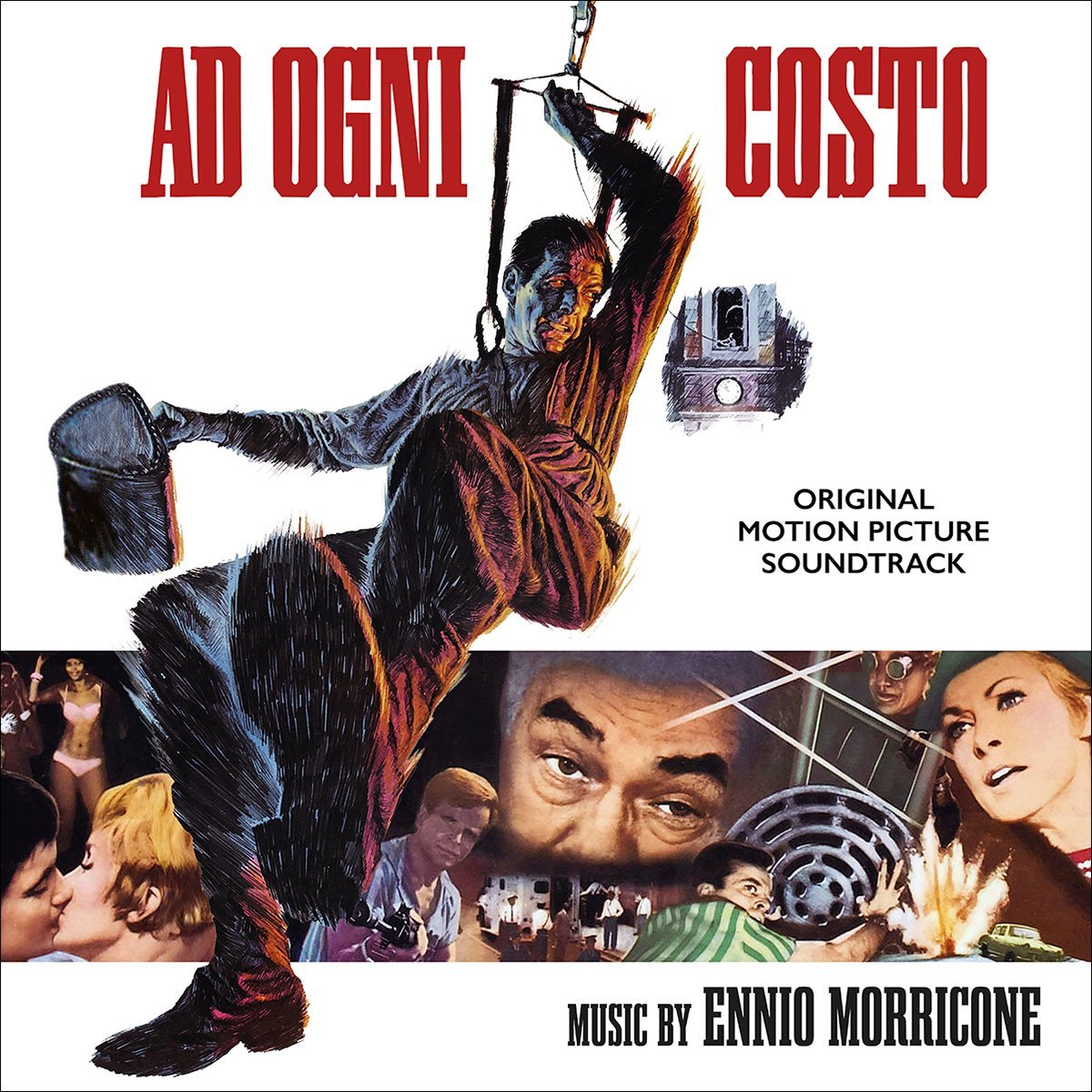
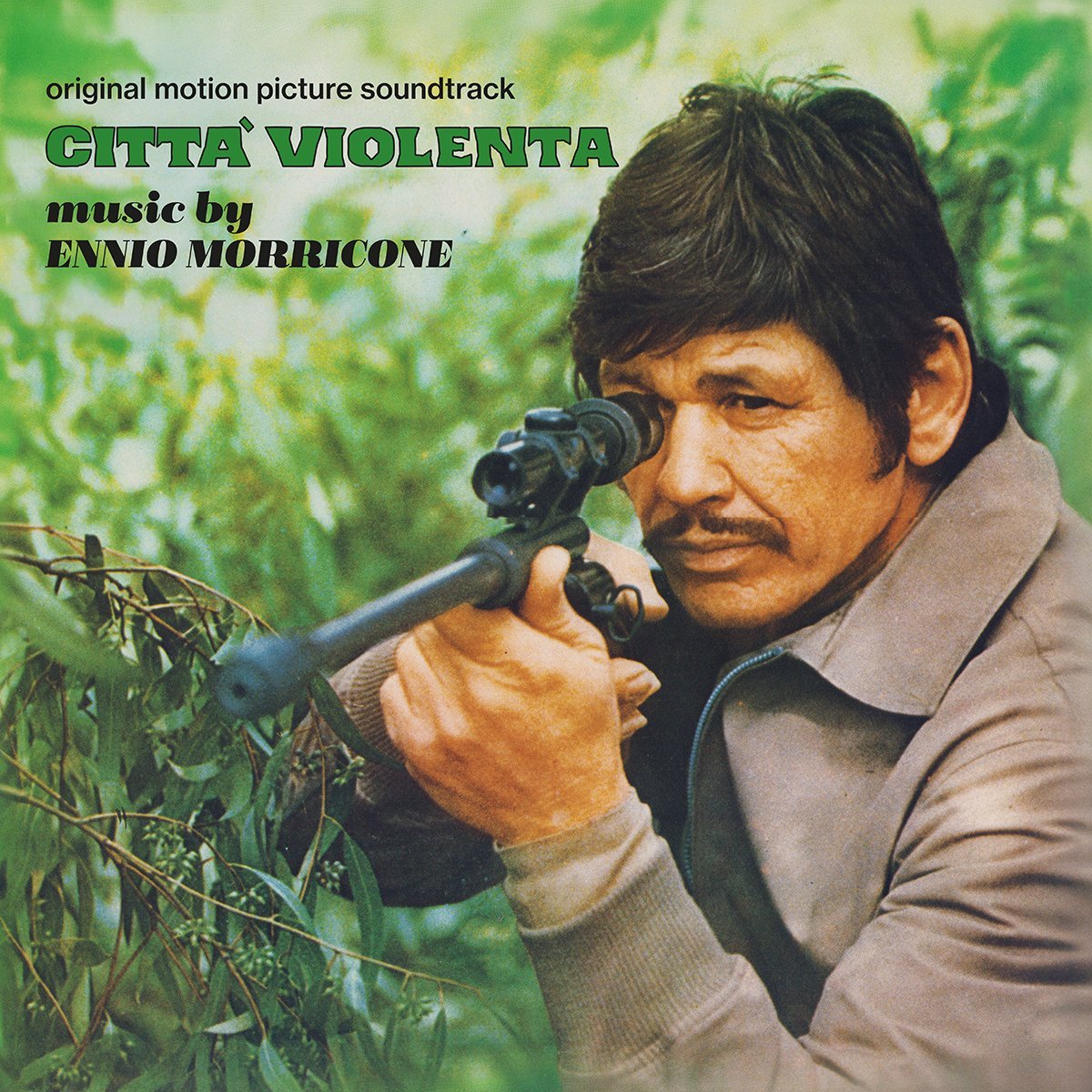
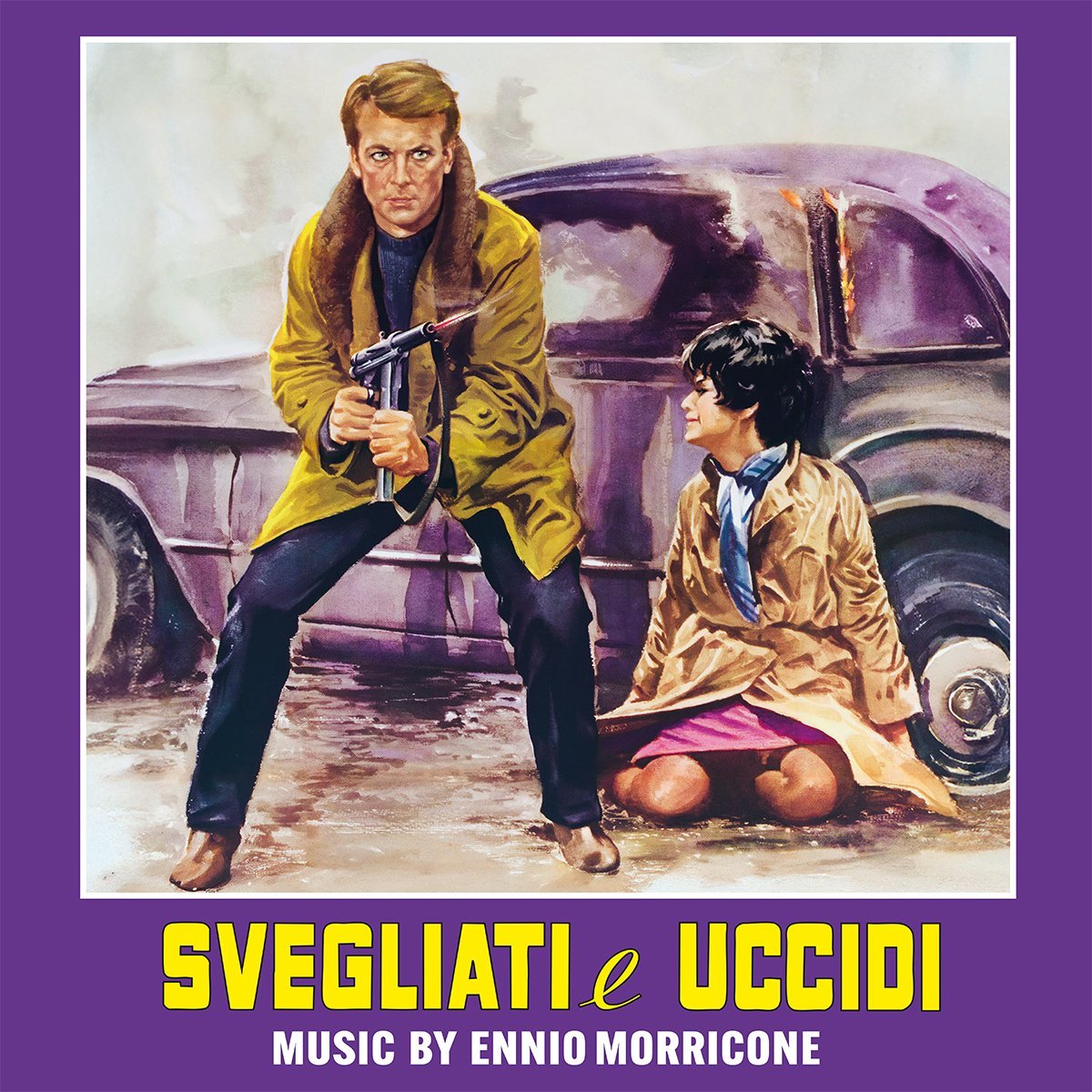
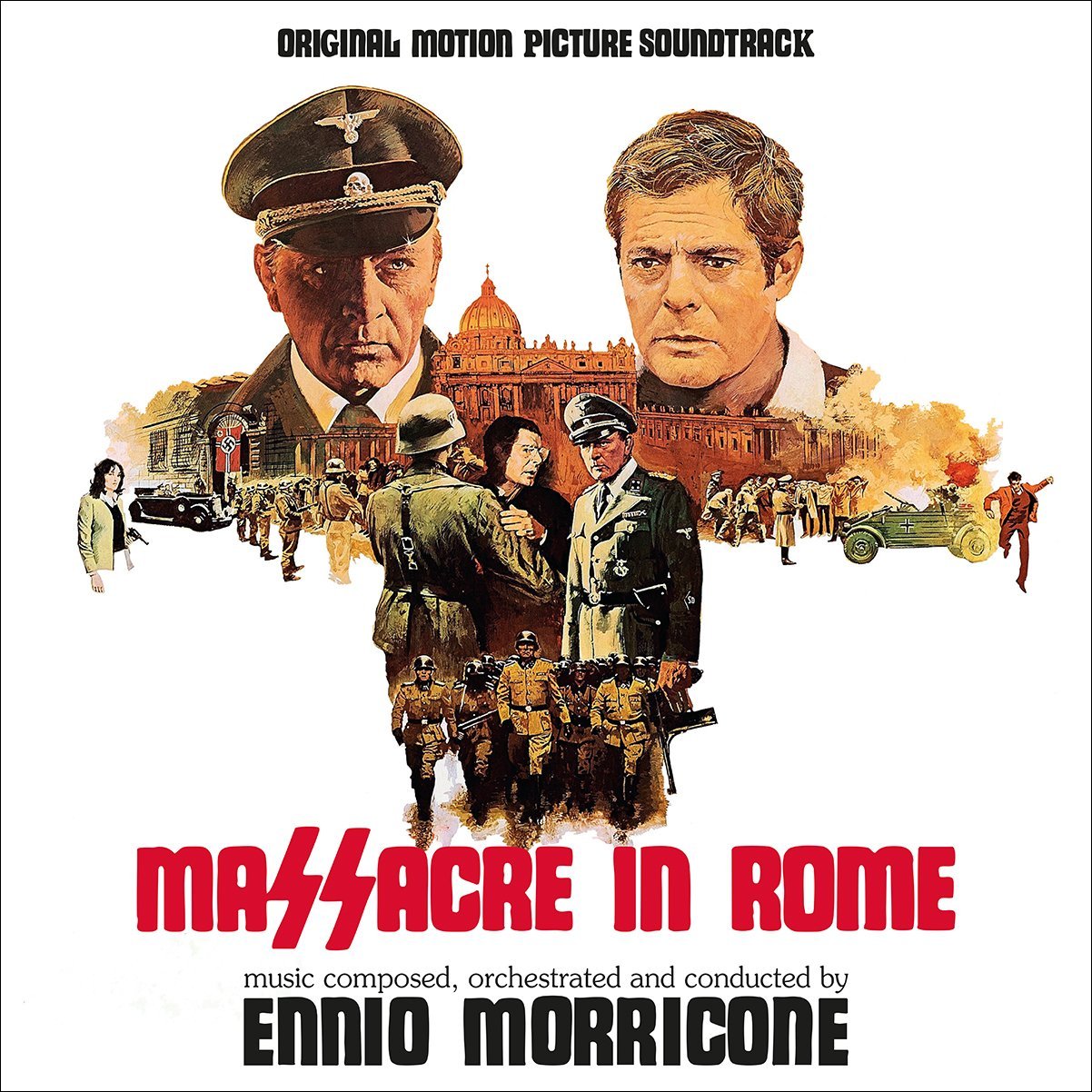
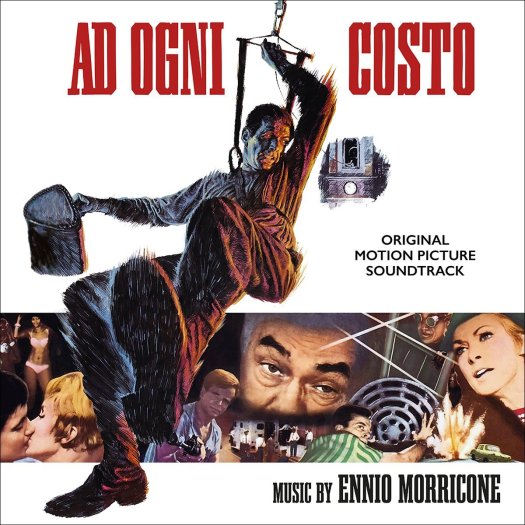
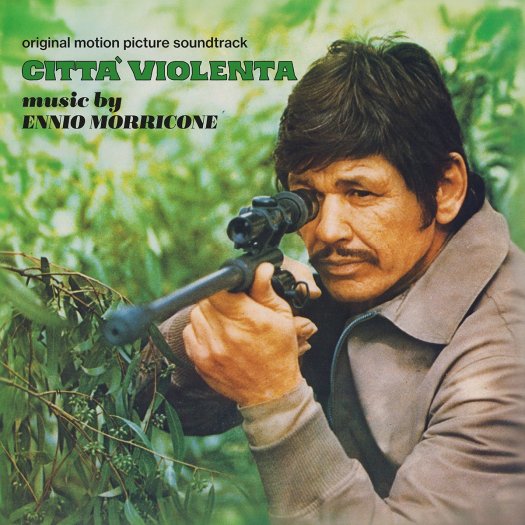
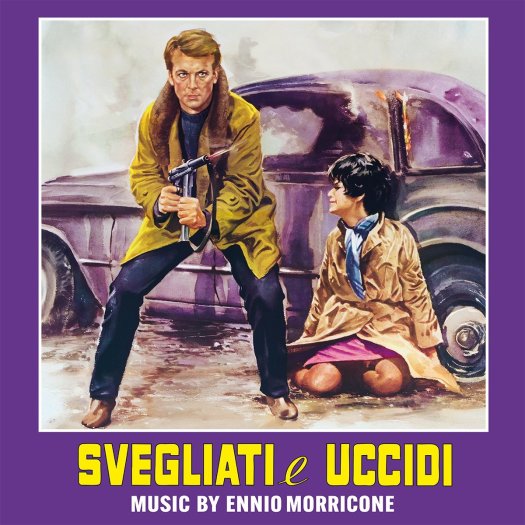
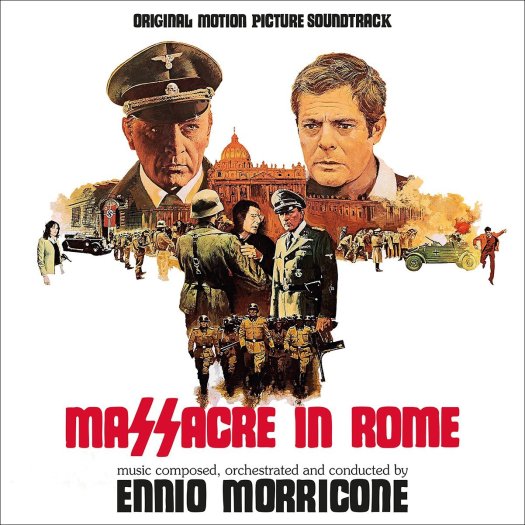
 Neu von Quartet: Quartet Records, in collaboration with Solisterrae Music, present the score by renowned composer Pascal Gaigne (EL SOL DEL MEMBRILLO, PIEDRAS, EL OTRO BARRIO, HANDIA) for the film DANTZA, directed by Telmo Esnal in 2018, which has become a cult movie. DANTZA is a musical film that, through Basque dances and all the symbolism they embody, tells a story about the cycle of life and the evolution of man. A story of effort, mastery of nature, myths, the struggle for survival, celebration, love and death, where gestures, songs, rhythms and the whole wide range of nonverbal language envelop the central discourse woven by the dances. Composing the music for this film was a challenge. Adapting several folk dances and adding his own compositions, Gaigne weaves a common thread through the musical history of the Basque Country with his original arrangements and approaches, drawing on an unusual ensemble of musicians, percussionists and string and woodwind sections. It is one of his most daring and captivating works, which deserved to be released as an album. Tracklist Cueva 3:15 Zinta 4:19 Desierto Negro 2:21 La Reina Oscura 4:38 Erregelak 6:17 Almute 6:45 Irradaka 10:38 Sagar 2:48 Soka 5:45 Gaiarena 4:08 Godelet 3:55 Arratia 3:15 Danças suite 12:27 Nara / Urzo Xuria 3:48 Quartet Records, in collaboration with GDM and Universal Music Publishing Ricordi, presents a completely revised, remastered edition of the catchy Ennio Morricone score for AD OGNI COSTO (aka GRAND SLAM), a 1967 comedy-caper movie directed by Giuliano Montaldo, starring Janet Leight, Edward G. Robinson, Klaus Kinski, Robert Hoffmann and Adolfo Celi. The story is about Professor James Anders, who, upon retiring, presents a famous criminal with an elaborate plan to rob a diamond company in Brazil with a team of professionals. The men meet in Rio de Janeiro and encounter an unexpected problem: a new alarm system called Grand Slam 70. The original score by Ennio Morricone adds atmosphere and sophistication, helping to balance the mix of intrigue, action and glamour that defines the tone of the film. His work is based on a hybrid architecture that combines modal jazz, Brazilian bossa nova and Italian pop music from the 1960s. Far from being an eclectic sum or a simple collage of styles, Morricone works with these influences as overlapping layers that construct an autonomous musical discourse. The album was released in a short promotional run by RCA in Italy in 1967 and reissued on LP in the 1980s by the Intermezzo label. In the 1990s, the same program appeared for the first time on CD, also by RCA. In 2010, an expanded edition, featuring virtually the entire score, was released on CD by GDM. This new edition, supervised by Claudio Fuiano and restored and mastered by Chris Malone. The booklet includes an essay by Miguel Angel Ordóñez that discusses both film and score. Punto e basta (Titoli di testa) 2:56 Vai Via Malinconia 1:30 Ad ogni costo 2:43 Vai Via Malinconia (#2) 1:37 In Chiesa 2:27 Dirgli solo no 2:12 Tudo e nada 2:43 Voce 2:30 Ai, Morena 2:22 Samba do desprezo 1:59 Eu fiz mal em dizer 2:03 Samba bamba (versione coro) 3:20 Ai, Morena (#2) 2:05 Punto e basta (#2) 2:56 Dirgli solo no (#2) 1:59 Samba bamba (ver. strum. con tromba) 3:20 Ad ogni costo (#2) 1:59 Vai Via Malinconia (#3) 1:41 Ai, Morena (#3) 3:22 Dirgli solo no (#3) 3:07 Tudo e nada (#2) 2:07 Vai Via Malinconia (#4) 2:29 Total Disc Time: 55:19 Quartet Records, in collaboration with GDM and Universal Music Publishing Ricordi, presents a completely revised, remastered edition of the dynamic, classic score by Ennio Morricone for the 1970 Charles Bronson action vehicle CITTA’ VIOLENTA (aka VIOLENT CITY), directed by Sergio Sollima and co-starring Telly Savalas and Jill Ireland. The film is about a hit man who, after being double-crossed by his mistress and barely escaping a murder attempt, sets out to take revenge on the woman and the mob boss who put her up to it. Ennio Morricone’s score is nervous, insistent, sometimes ironic. Far from using music as a simple environmental resource, the music constructs a sonic architecture that is closely aligned with the subjectivity of the protagonist, adopting his point of view, transforming the perception of the environment into an auditory texture. Thus, the music does not merely follow his emotional arc but amplifies it as a resource for introspection and narrative complexity. The result is a musical device that revolves around three structural cores: the city as a violent labyrinth, the killer’s split consciousness, and love as a betrayed promise. The soundtrack album was released in both Italy and Japan in 1970 with different cover art. The same program was first reissued on CD in Japan in the early nineties. An expanded edition of the score was issued by GDM in 2006, later reissued with two additional bonus tracks in 2012 by the Intermezzo label. This is a reissue of that program produced by Claudio Fuiano and Dániel Winkler, remastered by Chris Malone. The booklet includes an essay by Miguel Angel Ordóñez, discussing the film and score. Città Violenta 2:24 Rito Finale 3:05 Mille Volte un Grido 2:31 Città Violenta (#2) 1:17 Momento Estremo 3:18 Con Estrema Dolcezza 2:41 Svolta Definitiva 4:37 Norme con Ironie 3:55 Riflessione 1:27 Disperatamente 2:53 Rito finale (#2) 1:29 Con Estrema Dolcezza (#2) 3:08 Rito Finale (#3) 2:34 Città Violenta (#3) 2:40 Dolcemente Acre 3:15 Città Violenta (#4) 4:52 Sospensione Sovrapposta 1:40 A Caissa 2:24 Città Violenta (#5) 5:01 Con Estrema Dolcezza (#3) 1:09 Riassunto 3:07 Total Disc Time: 60:35 Quartet Records, in collaboration with GDM and Universal Music Publishing Ricordi, presents a remastered reissue—for the first time in full stereo—of the 1966 classic, propulsive and exciting Ennio Morricone cult score for the thriller movie SVEGLIATI E UCCIDI, a successful Italian production directed by Carlo Lizzani and starring Robert Hoffmann, Lisa Gastoni and Gian Maria Volontè. The film is about a dangerous fugitive who meets a nightclub singer with whom he falls in love. They both get caught up in a spiral of increasingly reckless jewelry store robberies, leading to a tragic end when the police finally catch them. Although Morricone was not the most prolific composer in the poliziesco genre—that role was more actively filled by Stelvio Cipriani and Franco Micalizzi—he did influence its early stylistic development by consolidating the use of music as an active narrative element: syncopated rhythms, marked bass lines, urban percussion, dissonant sounds to heighten tension, paranoia and urban chaos, or a fusion of jazz, funk and experimental music, are some of the resources that composers associated with the new genre would later use extensively. All these elements form the core of the score of SVEGLIATI E UCCIDI, which is narratively structured around its two protagonists. Morricone also provides the beautiful song “Una stanza vuota,” performed by Lisa Gastoni, that also serves as the film’s love theme. The album was released in a short promotional run by RCA in Italy in 1966 and reissued on LP in the 1980s by the Intermezzo label, both in monaural sound. In the 1990s, the same program appeared for the first time on CD—paired with the score of CITTA’ VIOLENTA, also by RCA and in mono. In 2012, an expanded edition, featuring virtually the entire score, was released on CD by GDM, in hybrid sound with some tracks in stereo and others in mono. This new edition, supervised by Claudio Fuiano and restored and mastered by Chris Malone, includes the same program in full stereo. The booklet includes an essay by Miguel Angel Ordóñez that discusses both film and score. Una Stanza Vuota 2:39 Un Uomo Solo 1:58 Colpo Alla Gioielleria 1:26 Una Stanza Vuota (2ª versione) 1:51 La prima vittima 2:22 Sul Lago Di Lugano 1:45 Svegliati e Uccidi 2:29 La Donna di un Fuorilegge 0:37 Una Stanza Vuota (3ª versione) 1:43 Una Tromba a Dallas 2:49 Svegliati e Uccidi (#2) 2:08 Svegliati e Uccidi (#3) 1:48 Una Stanza Vuota (4ª versione) 2:32 Svegliati e Uccidi (#4) 2:20 La Donna di un Fuorilegge (#2) 2:01 Una Stanza Vuota (5ª versione) 1:45 Svegliati e Uccidi (#5) 1:21 Colpo Alla Gioielleria (#2) 1:10 Svegliati e Uccidi (#6) 1:59 Una Stanza Vuota (6ª versione) 0:54 Svegliati e Uccidi (#7) 1:24 Una Stanza Vuota (6ª versione) 1:07 Svegliati e Uccidi (#8 – shake) 1:33 Svegliati e Uccidi (#9) 1:07 Una Tromba a Dallas (#2) 1:56 Una Stanza Vuota (versione singolo) 2:38 Total Disc Time: 48:37 Quartet Records, in collaboration with GDM, Universal Music Publishing Ricordi and EMI General Music Publishing, presents a CD focused on two WWII soundtracks by Ennio Morricone, pairing his dramatic scores for MASSACRE IN ROME (1973) and GOTT MIT UNS (1970) MASSACRE IN ROME was directed by George Pan Cosmatos and starred Marcello Mastroianni, Richard Burton and Leo McKern. The story takes place in Nazi-occupied Rome, where an assault on an SS brigade draws retaliation from the military governorship. The film tells the true story of how this partisan attack led to the mass execution of Italian nationals under the orders of SS Lieutenant Colonel Kappler. Morricone’ score avoids traditional forms or classical thematic development. Instead, the composer built short motifs, ostinatos, hypnotic repetitions and descending harmonic progressions that reinforce the sense of fatalism and inevitability. GOTT MIT UNS, directed by Giuliano Montaldo, and starring Franco Nero, Richard Johnson and Bud Spencer, takes place at the end of World War II, when German deserters are tried for desertion by their fellow prisoners of war inside a prisoner-of-war camp for Germans. Morricone constructs a soundscape that reflects the absurdity, emptiness and dehumanizing logic of military machinery. The composition follows a logic of expressive restraint in which the instruments do not emit conventional sounds, but rather generate audible textures—whimpering, friction, pulsations, breathing—creating a soundtrack in the form of unstructured chamber music in which the dramatic tension gradually intensifies. The only emotional foothold in the score is found in “Lontano,” a piece that refers to nostalgia, to the ordinary life that deserting soldiers long for. Its title—which means “far away”—already anticipates a poetics of distance, of waiting, of emotional echo. Although the film had some success, the music from MASSACRE IN ROME was not released until the early 1990s, when ten tracks were included on a CD by RCA Italy, paired with the soundtrack album of LA BATTAGLIA D’ALGERI. In 2009, it was reissued by GDM in a program that included three bonus tracks, virtually everything Morricone recorded for one of his shortest scores. GOTT MIT UNS, on the other hand, was only released on a 45 RPM disc with the cues “Lontano” and the main theme. In 1998, part of his score was rescued by the Screen Trax label and paired with another score from a film set in WWII: L’AGNESE VA A MORIRE. An expanded program was released by the Dagored label in 2003. This 70-minute Quartet CD, supervised by Claudio Fuiano, includes all the available music from both films, painstakingly restored and mastered by Chris Malone. The booklet includes an essay by Miguel Angel Ordóñez, discussing the film and score. MASSACRE IN ROME 1. Reprisal 2:31 2. Deadly News 2:36 3. Before the Reprisal 2:51 4. March Through the Open City 1:27 5. Second Reprisal 2:04 6. Night Alarm 3:36 7. Thrid Reprisal 0:45 8. The Killing 2:31 9. Via Rasella 5:22 10. Open City 2:07 11. Second Reprisal (#2) 1:25 12. The Killing (#2) 1:18 13. Deadly News (#2) 1:10 GOTT MIT UNS 14. Lontano (versione Disco) 4:30 15. Gott Mit Uns (Titoli di testa) 1:11 16. Prigioneri 1:54 17. Gott Mit Uns (Corsa Disperata) 1:21 18. Gott Mit Uns (All’erta-torrente d’osservazione) 0:55 19. Lontano (Nostalgia di casa) 1:18 20. Gott Mit Uns (Erika) 0:52 21. Lontano (Versione Film) 4:46 22. La Mitraglia (Incarcerati) 1:42 23. Nella garitta (Il capitano Miller) 0:28 24. Nella garitta (Riunione degli ufficiali) 1:13 25. La Mitraglia (Incarcerati secondo) 1:42 26. Nella garitta (Un cielo senza aerei) 1:35 27. Nella garitta (Corte marziale) 0:49 28. Gott Mit Uns (La guerra è finita!) 1:10 29. Nella garitta (Discussione col Generale) 0:33 30. Gott Mit Uns (In cella) 0:30 31. Lontano (Nostalgia delle donne) 0:44 32. La Mitraglia (Una questione di principio) 2:48 33. Gott Mit Uns (La promozione) 0:18 34. La Mitraglia (La decisione) 1:02 35. Gott Mit Uns (All’alba del quinto giorno) 2:16 36. Percussioni e Marcia (Titoli di coda) 2:03 37. Lontano (Arrangiamento 1974) 3:51 Total Disc Time: 70:18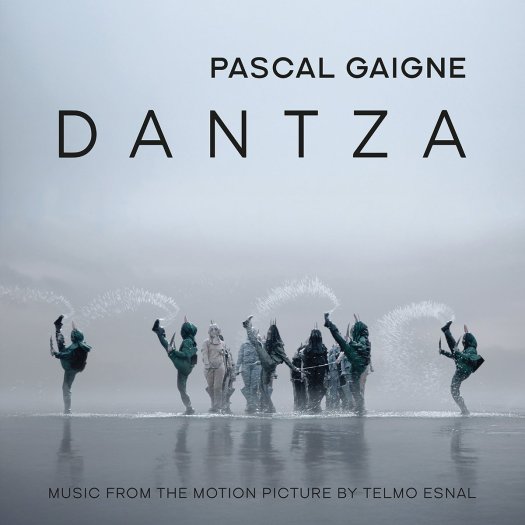
-
 Intradas erstes Kickstarter-Projekt war 2018 Tiomkins Dial M for Murder. Eine Musik, die niemand für so ein Crowdfunding auf dem Schirm hatte. Da war aus unserer "Community" unterm Strich auch keine große Summe zusammengekommen und der Kickstarter kam erst kurz vor Toresschluss mit höheren Summen über die Ziellinie. Feigelson hat dann auch gesagt, dass es von vornherein so kalkuliert war, dass der KS nur einen Teil des benötigten Geldes beisteuern sollte und das nur Teil einer Gesamtkalkulation war, zu der vermutlich sicher die Familie Tiomkin gehörte.
 -
Snow Files of the Week: "Prayer/Suicide Exam" aus der Akte-X-Episode "Die Hand Die Verletzt". Ein herausragender Score in der Serie von Snow. Die Geschichte um satanische Rituale, Glaube und Besessenheit inspirierte Mark zu diesem düsteren Gothic-Score. Die brodelnde Ambient-Musik erschafft die passende Atmosphäre für die unheimlichen Ereignisse an einer High School. Mark benutzt sogar düstere Chorgesänge in seiner Musik und verleiht dem Score damit einen hohen Wiedererkennungswert innerhalb der Serie. Die Zeile "Die Hand Die Verletzt" ist in der Episode gleich am Anfang zu hören in dem satanischen Gebet, welches die Lehrer sprechen. Obwohl der Original-Titel der Episode mit "Die Hand Die Verletzt" schon deutsch ist, bekam die Folge hierzulande einen anderen Titel. Bei uns heißt sie "Satan". Musik aus "Die Hand Die Verletzt" befindet sich auf dem zweiten 4-CD-Set mit Akte-X-Musik von LLL, limitiert auf 3.000 Stück. Das Set ist ausverkauft. Viel Spaß beim Hören!
- Gestern
-
... und kommt bald auch auf CD!😁👍
-
veröffentlichung Intrada: THE OUTSIDER (Leonard Rosenman)
Mistermaffay antwortete auf Alexander Grodzinskis Thema in Scores & Veröffentlichungen
Ich kann mich den Vorrednern nur anschließen. Die CD lief eben durch (kam kürzlich per MBR Bestellung an) - und ich bin begeistert. Dieser Score dürfte auch den Filmmusikliebhabern zugänglich sein, die mit Rosenman‘s sonst eher sperrigen Musik nicht so viel anfangen können, da er hier (ähnlich wie bei HEART OF THE STAG) eine andere Seite von sich zeigt. -
 Über den Thread zum beliebtesten Score des Jahres 2025 und den dortigen Beitrag von @Osthunter bin ich auf diesen Score gestoßen und bin der Meinung, der hat einen eigenen Thread verdient. MMS25028 THE OVAL PORTRAIT (Original Motion Picture Soundtrack) Music Composed by ANDREW MORGAN SMITH Release date: October 10, 2025 Original score from the 2025 thriller feature film directed by Adrian Langley, starring Simon Phillips, Louisa Capulet and Paul Thomas, produced by Grimehouse and released by Blue Fox Entertainment (USA). THE STORY: A thief, artist, and shopkeeper are pulled into the orbit of a haunted portrait connected to a vengeful ghost. THE SCORE: “When Adrian Langley approached me to score The Oval Portrait the task seemed daunting: “What if a Waxman, Korngold, or Bernstein scored this movie? Bring these old sensibilities back to sell that we’re making a throwback film.” The one thing I did know, if one director was deadly serious about intention and style it’ll be Adrian Langley. What followed was truly an amazing compositional experience. Afterall it’s not every day that you’re asked to make music of this scope and style. Truly letting loose and exploring this genre of music that we so rarely get to play with was a pleasure. Thankfully, Langley prioritized using live musicians on this score. Knowing the style we were going for, we both knew that we had to record it with real musicians. All the imperfections that come with working with live players helps to sell the style and genre of the movie. The whole team loved working on this score, Andrew Osano the orchestrator did a superb job realizing the vision of the score. Robin Birner did an equally amazing job on the score mix as well as the album master. I hope you enjoy this glimpse into old school film music as much as we did creating it.” – Andrew Morgan Smith Quelle: https://moviescoremedia.com/newsite/catalogue/the-oval-portrait-andrew-morgan-smith/ Der Score ist digital auf vielen Streaming Plattformen verfügbar. https://open.spotify.com/album/3hZm5V8nFkWfMstm4OjcJy?si=OZAZ8-mCTVujiXqAFuBlJA
 -
Und weg
-

Antony Partos - The Artful Dodger
Howard antwortete auf Howards Thema in Scores & Veröffentlichungen
Gibt nach 2 Jahren nun seit heute ein Album: https://tidal.com/album/497620505 Scheint aber einiges an Musik zu fehlen, wenn man die Gesamtlaufzeit der Stücke von seiner Website (1h 17m 27s), welche ja nur Musik aus der ersten Staffel beinhaltet, mit dem offiziellen Release (47m 45s, Musik aus beiden Staffeln?) vergleicht. Trotzdem super, dass es nun endlich was offizielles in ordentlicher Qualität gibt. Freut mich (vor allem für Patos) sehr. https://filmmusicreporter.com/2026/02/11/the-artful-dodger-soundtrack-album-to-be-released/ -
Der beste Soundtrack aller Zeiten
Mistermaffay antwortete auf Mistermaffays Thema in Filmmusik Diskussion
Ja, die alte Diskussion Ist es nun gute FILMmusik oder gute FilmMUSIK .. Tatsächlich geht es (zumindest mir) in erster Linie immer um gute FilmMUSIK, da ich mehr Zeit mit dem Hören von Musik verbringe (Filme schaue ich nur gelegentlich). Es bringt mir also nichts, wenn die Musik hauptsächlich in Kombination mit dem Film ihre Wirkung entfaltet. Die Musik sollte losgelöst vom Film großartig sein. Als markantes Beispiel fällt mir spontan Nolan‘s DUNKIRK ein. Hans Zimmer‘s Musik ist IM Film ziemlich effekt- u. wirkungsvoll. Jedoch ist sie außerhalb des Filmes kaum genießbar. Tatsächlich kenne ich oftmals die Filme zu sehr guten Scores nicht mal 😅. Daher bin ich seit ein paar Monaten inzwischen damit beschäftigt gelegentlich Filme zu schauen, zu denen Goldsmith die Musik geschrieben hat. Einfach als Liebe zu Goldi -
Der beste Soundtrack aller Zeiten
Mistermaffay antwortete auf Mistermaffays Thema in Filmmusik Diskussion
STAR WARS (vor allem „Empire Strikes Back“) ist gewiss ebenfalls eine gute Wahl. Deine Argumente kann ich auch nachvollziehen. -
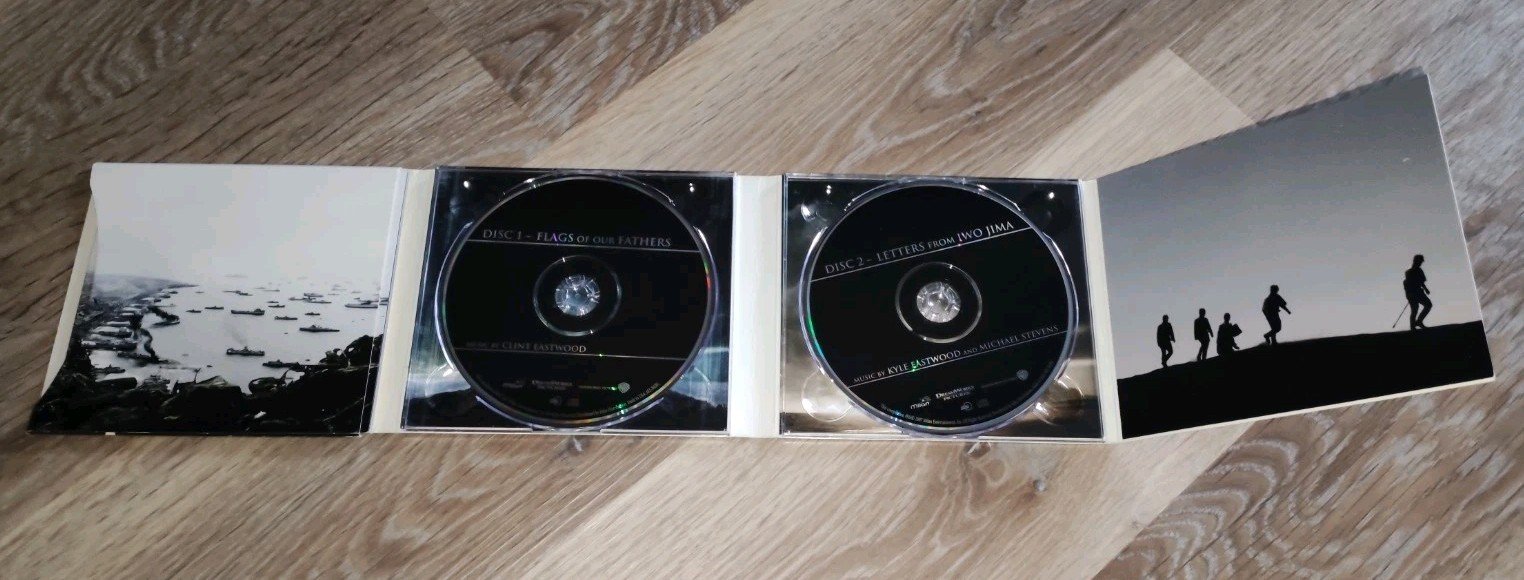
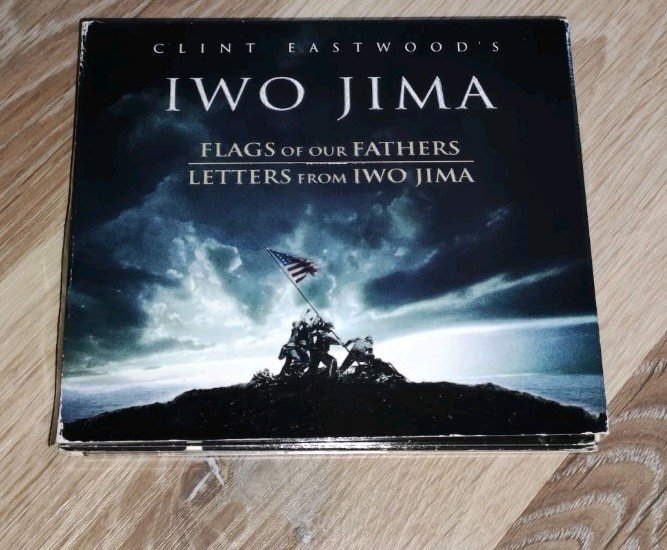
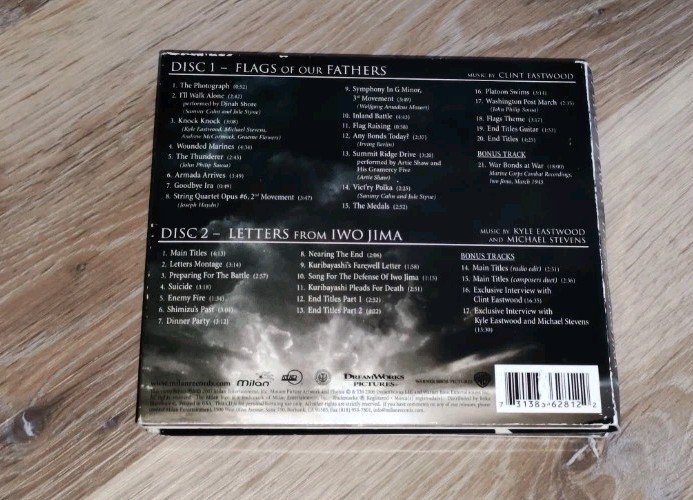
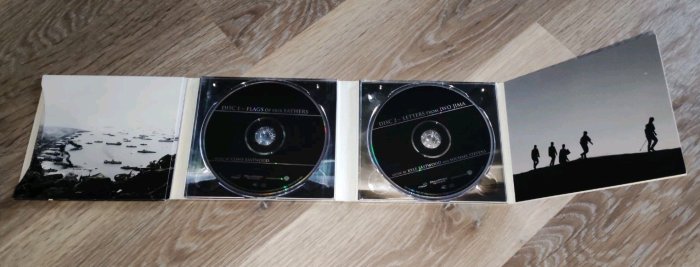
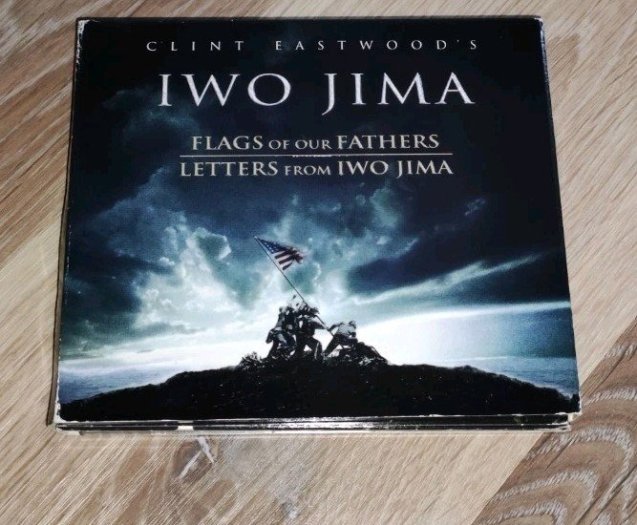
Ich möchte die Doppel-CD zu FLAGS OF OUR FATHERS & LETTERS FROM IWO JIMA verschenken. Nur das Porto wäre zu zahlen. Interessierte können sich gerne bei mir melden.
-
Anscheinend wurde ein Track von Greenwood aus PHANTOM THREAD im MELANIA-Film verwendet, ohne die Zustimmung von Greenwood und Anderson. Die möchten jetzt, dass der Track aus dem Film entfernt wird. Melania Trump hat jetzt Jonny Greenwood und P.T. Anderson als Gegner
- Letzte Woche
-

Der beste Soundtrack aller Zeiten
Mike Rumpf antwortete auf Mistermaffays Thema in Filmmusik Diskussion
Wenn es um die beste audiovisuelle Wirkung und ein einzelnes Stück geht, würde ich immer "The Ecstasy of Gold" aus The Good, the Bad and The Ugly oder "Adventure on Earth" aus E.T. nennen. Aber das lenkt vom Thema ab. -
Der beste Soundtrack aller Zeiten
Mike Rumpf antwortete auf Mistermaffays Thema in Filmmusik Diskussion
Man müsste auch unterscheiden, zwischen „bester Musik im Filmkontext“ und „bester Musik, die für einen Film komponiert wurde“. Ben Hur ist schon eine gute Wahl, verknüpft herausragende Qualität mit einer gewissen Breitenwirkung. Ich würde aber, um eine andere Musik zu nennen, Korngolds The Sea Hawk nennen. -
Stimmt: Korngold mit THE SEA HAWK und ROBIN HOOD wären ebensolche Kandidaten, wie auch Steiners GONE WITH THE WIND.
-
 Nein, ich war das nicht, von dem diese Info bezüglich "Fantasy" stammt. Man kann das aber beim Ankündigungstext der BOMBER-CD lesen: "For this soundtrack, the two Maestros build a score based on the theme “Fantasy,” a very popular cue held dear by generations of cartoons lovers since this melody is also the Italian main title of Galaxy, the famous cartoon that follows the adventures of two heroes onboard a space train." Und hier wäre der GALAXY-Main Title - auch von 1982:
 -
 Das war das italienische Titellied der 80er Anime Serie "Galaxy Express 999":
 -
Der beste Soundtrack aller Zeiten
magnum-p.i. antwortete auf Mistermaffays Thema in Filmmusik Diskussion
Glatt vergessen: Korngolds "Robin Hood" (1938) gehört auf jeden Fall in die Top 10. -
Der beste Soundtrack aller Zeiten
magnum-p.i. antwortete auf Mistermaffays Thema in Filmmusik Diskussion
Dann sollte man aber nicht Korngold vergessen, wo sich Williams bedient hat: -
Der beste Soundtrack aller Zeiten
Osthunter antwortete auf Mistermaffays Thema in Filmmusik Diskussion
Ich gehe mit 'Star Wars'. Die Musik ist ungeheuer populär, wird überall auf der Welt in Konzertsälen gespielt, hat viele Menschen überhaupt zur Filmmusik gebracht, hat ungeheuren Einfluss auf die Filmmusik im Allgemeinen.