Alle Aktivitäten
Dieser Stream aktualisiert sich automatisch
- Letzte Stunde
-
 Neu von Music Box Remastered and expanded edition. 8-page CD booklet with French and English liner notes by Sylvain Pfeffer. Limited edition of 500 units. In collaboration with EMI Music Publishing France, Music Box Records presents an album dedicated to three rare scores composed by Georges Delerue for 1970s cinema: Les Caprices de Marie (Give Her the Moon), Julie pot-de-colle (Julie Gluepot) and L’Ingénu (The Artless One). For Les Caprices de Marie (1970), Philippe de Broca’s delightful romantic comedy starring Marthe Keller and Philippe Noiret, Georges Delerue composed a score of great delicacy, dominated by a bittersweet waltz infused with charm and nostalgia. Delivered through a subtle dialogue between piano, accordion, and strings, the music beautifully captures the film’s tender and gently ironic spirit. For the end credits, the waltz is transformed into a song with lyrics by Henri Lanoë, beautifully performed by Cora Vaucaire. In Julie pot-de-colle (Philippe de Broca, 1977), starring Jean-Claude Brialy and Marlène Jobert, the composer wrote a main theme in waltz time that beautifully encapsulates the complicated yet endearing romance between the two characters. Finally, for L’Ingénu (Norbert Carbonnaux, 1972), the director’s final film featuring Renaud Verley, Jean Lefebvre, and Marianne Eggerickx, Delerue playfully pastiches Baroque and early 18th-century music. His score mischievously alternates between folk, religious, and military-inspired pieces. This present edition, remastered by Christophe Hénault from the recording sessions, includes previously unreleased tracks. These three works offer a wonderful insight into the grace, delicacy, and musical wit so characteristic of Georges Delerue. The album includes an 8-page booklet featuring exclusive liner notes by writer Sylvain Pfeffer discussing the films and the scores. The CD release is limited to 500 units. LES CAPRICES DE MARIE 1. Les Caprices de Marie (Générique) (2:02) 2. Ouverture et symphonie (3:19) 3. Élection de Miss Flôts bleus (2:21) 4. Enlèvement de Marie (1:11) 5. Marie et Broderick (2:23) 6. Déjeuner sur l'herbe (3:04) 7. Marche allègre (1:35) 8. Poker (1:55) 9. Un américain en France (2:26) 10. Marie nostalgie (0:48) 11. Défilé des concurrentes en robe du soir (2:06) 12. Les coureurs (1:46) 13. La vie champêtre (2:39) 14. Défilé de la mariée (0:48) 15. Ravissante Marie (0:56) 16. Gabriel et Marie (1:19) 17. Final (1:03) 18. Les Caprices de Marie (1:48) - Performed by Cora Vaucaire Total Time • 34:17 JULIE POT-DE-COLLE 19. Julie nostalgie (1:57) 20. Arrivée au Maroc (Générique début) (1:48) 21. Julie pot-de-colle (2:30) Total Time • 6:24 L’INGÉNU 22. L’Ingénu (Générique) (1:56) 23. Danse de l’ingénu (0:53) 24. L'ingénu et la sœur de l'abbé (1:32) 25. À l'église (1:13) 26. L'ingénu et son rival (2:15) 27. Le délire de l'ingénu (2:18) 28. Chant partisan (0:43) 29. Héroïsme et fanfare (1:23) 30. Abandon du château (0:55) 31. Le bailly et le capitaine (1:38) 32. À la recherche de l'ingénu (1:42) 33. Générique de fin (2:37) Total Time • 19:34 Remastered and expanded edition. 8-page CD booklet with French and English liner notes by Gilles Loison. Limited edition of 300 units. In collaboration with Éditions Bleu Blanc Rouge, Music Box Records presents three original motion picture soundtracks composed by Claude Bolling between 1970 and 1974: Le Mur de l’Atlantique (Atlantic Wall), Deux Grandes Filles dans un pyjama (Two Big Girls in Pyjamas) and Qui ? (The Sensuous Assassin). This album highlights the remarkable versatility of Claude Bolling. A jazzman at heart since his teenage years, he explores very different musical worlds here. For Deux Grandes Filles dans un pyjama (by Jean Girault), he delivers a light and carefree score full of charm and swing. The famous slow saxophone piece performed by Claude Luter creates the perfect seductive atmosphere for Lionel (Jacques Jouanneau), a lonely husband spending the summer trying to charm two young foreign tourists. Bolling blends flute, xylophone, brass, and strings with humor, even playfully quoting Beethoven with timpani, harp, and bongos during the fantastical suspense sequences. For Le Mur de l’Atlantique (by Marcel Camus), Bolling composed a contrasted score blending humor and tension. The film follows the misadventures of the restaurant owner Duchemin (Bourvil), who steals one of the plans for the Atlantic Wall. The anthem God Bless Rugby and the German theme Kamerad form the backbone of the narrative, culminating in a long final chase where the two motifs intertwine. With Qui ? (by Léonard Keigel), Bolling successfully ventures into pop and Californian rock. The songs, including the well-known Who Are You?, accompany Serge (Maurice Ronet) and Marina (Romy Schneider) on their various car journeys. Recorded at Morgan Studios in London, this score features driving electric bass, nervous piano, and psychedelic atmospheres. Fully remastered from the original master tapes, this album also includes two rare bonus tracks from the 1973 45 rpm single (Concert Piano + Voices of Mother Nature). The package includes an 8-page booklet featuring exclusive liner notes by writer Gilles Loison discussing the films and the scores. The CD release is limited to 300 units. DEUX GRANDES FILLES DANS UN PYJAMA 1. Deux Grandes Filles dans un pyjama (Générique début) (1:11) 2. Summer Flower (2:55) 3. Geishas (2:44) 4. Pyjama Rock (2:14) 5. Petit flirt (3:14) 6. Évocations (3:22) 7. La Suédoise et l'Anglaise (1:04) 8. La drague (2:11) 9. Tango (0:45) 10. Summer Flower (Grand orchestre) (4:24) 11. Deux Grandes Filles dans un pyjama (Générique fin) (3:30) 12. Summer Flower (Jazz group) (3:08) Total Time • 31:13 LE MUR DE L’ATLANTIQUE 13. Le Mur de l'Atlantique (Thème) (2:52) 14. Cap sur l'Angleterre ! (1:34) 15. God Bless Rugby (3:00) 16. Romantique et bucolique (1:56) 17. Kamerad, wenn die rosen blühn (3:46) 18. Sauve qui peut (2:14) 19. God Bless Rugby (Instrumental) (1:07) Total Time • 16:50 QUI ? 20. Who Are You? (4:01) 21. Full Speed (2:45) 22. I've Had Enough (3:43) 23. Strange Magic (3:00) Total Time • 13:42 BONUS TRACKS : CONCERT PIANO + VOICES OF MOTHER NATURE 24. Moments We'll remember (3:16) 25. Thanks for Love (4:19) Total Time • 7:38 CD Total Time • 69:25 Remastered edition. 12-page CD booklet with French and English liner notes by Édouard Dubois. Limited edition of 350 units. In collaboration with Studiocanal and BMG, Music Box Records is proud to present a new album featuring two remarkable scores by Philippe Sarde: Music Box (1989) and The Matchmaker (Once I Was, 2010). For Music Box, Costa-Gavras’s powerful political thriller starring Jessica Lange and Armin Mueller-Stahl, Philippe Sarde composed an austere and intense score. The music revolves around two central themes: Ann’s deeply melancholic theme and the music box theme — pure, almost childlike, like an ancient universal lullaby. Their variations intertwine throughout the film, heightening the atmosphere of tension and tragic revelation. This new edition benefits from a brand-new remastering. For The Matchmaker by Avi Nesher, Philippe Sarde delivers a score of great delicacy for this nostalgic romantic drama. The film explores the silences of the past and the hidden wounds of love in 1960s Israel. The composer adopts an impressionistic musical language in which the orchestra unfolds like a symphonic poem. With few direct synchronizations to the image, it offers a resolutely melodic and atmospheric discourse, laced with subtle Yiddish inflections. This deeply humane score is available for the first time on CD. These two works, distinct in their stylistic approaches, testify to Philippe Sarde’s sensitivity and mastery, equally capable of supporting an intense historical drama or an intimate, nostalgic chronicle. Supervised by Philippe Sarde, the program has been assembled by Édouard Dubois and fully remastered by Christophe Hénault. The package includes a 12-page booklet featuring exclusive liner notes by writer Édouard Dubois discussing the films and the scores. The release is limited to 350 units. MUSIC BOX 1. Ann's Theme (2:32) 2. Blood Red Danube (1:43) 3. Federal Building (3:21) 4. Departure from Court (0:58) 5. Ann Studies Documents (2:12) 6. Journey to Budapest (4:29) 7. The Scar (1:11) 8. Ann and Georgina in Talbot's Library (2:27) 9. The Mirror (1:44) 10. Cemetery (2:20) 11. Candor (The Gendarmes) (3:48) 12. The Remembering of Ann's Mother (3:13) 13. Music Box (3:44) 14. The Newspaper (0:58) 15. Finale (1:04) Time • 36:16 THE MATCHMAKER 16. Summer of '68 (1:21) 17. He's Not a Boy Anymore (1:05) 18. Arik's First Tail (0:40) 19. Miss Clara (1:56) 20. A Detective Story (0:39) 21. Hidden Memories (0:59) 22. Spy Guy's Secret (1:04) 23. Can You Tell If This Love Is Good or Bad? (1:46) 24. The Religious Girl / Meir Meets Clara (2:29) 25. Dancing Lesson (1:09) 26. No Big Hero (1:06) 27. Meir's Flowers (0:45) 28. Meir's Timorousness / Religious Girl's Lover (1:46) 29. The Joint (0:58) 30. The Balcony (2:22) 31. A Groom for Sylvia (1:01) 32. Unwelcome Bouquet (1:31) 33. Arik's Mistake (1:00) 34. Tamara And Arik (2:37) 35. Meir's Denouncement (2:25) 36. Late Call (1:02) 37. Meir's Plot (2:52) 38. Meir Defeated (1:05) 39. Unhappy Ending (2:55) 40. The Notebook (1:45) 41. Yankele, The Matchmaker (End Credits) (3:37) Time • 42:33 Total Time • 78:51 Remastered edition. Limited Edition of 500 units. 8-page CD booklet with French and English liner notes by Gilles Loison. Music Box Records is proud to present the thirteenth volume of the collection Great Television Soundtracks, dedicated to two original scores for television series composed and conducted by Georges Delerue: Mauregard (1970) and Adieu mes quinze ans (1971). Claude de Givray, associated with the French New Wave and a longtime collaborator of François Truffaut, began a career in television, directing documentaries about cinema and History. In the early 1970s, he directed two television series, Mauregard and Adieu mes quinze ans. Mauregard is steeped in a Balzacian world, with references to The Lily of the Valley, already heard in Truffaut's work through his character Antoine Doinel. The saga tells the story of a family from the Val-de-Loire region in France, near Balzac’s own home, and their ancestral castle of Mauregard, over the course of a hundred years, from the late 19th century to the 1970s, with twenty-year time jumps between each episode. For this romantic epic, Delerue draws on the spirit of Brahms - his favorite composer - placing the waltz at the heart of the score. It gracefully and melancholically accompanies the love story between the two protagonists, Maxence and Françoise (Richard Leduc and Claude Jade), while enveloping the family intrigues in timeless elegance. Adieu mes quinze ans sensitively explores the world of adolescence - a theme dear to de Givray. Adapted from a bestselling young adult novel by Claude Campagne, the series follows 15-year-old Fanny (played by the young Patricia Calas, already known from an adaptation of Hector Malot’s En famille), whose life is turned upside down by the arrival of a charismatic truck driver, Yann. The ensemble blends emerging talents - Christian Baltauss (seen at the TNP) and Norwegian model Lill Börjesson as Ingvild - with veteran French actors such as Henri Guisol and Jany Holt. For this intimate and melancholic chronicle, Delerue creates a delicate and poetic score. He cradles Fanny’s confidences, written in her diary, with a slow Vivaldi-inspired ballad on guitar - a variation drawn from the Andante of Vivaldi’s Mandolin Concerto in D major. The orchestration is enriched with flute, clarinet, oboe, zither, and harp to evoke hushed, dreamy atmospheres, while the strings provide long lyrical lines or nervous ostinatos during moments of suspense and heightened emotion. Remastered from the scoring session tapes courtesy of Georges Delerue's personal archives, this present edition features the world premiere release of these two gorgeous television scores. The CD comes with an 8-page booklet with liner notes by Gilles Loison. The CD release is limited to 500 units. MAUREGARD (1970) 1. Mauregard (Générique) (1:24) 2. Le pigeon voyageur (2:43) 3. Le château en ruines (1:30) 4. La réconciliation de Maxence et Richard (1:14) 5. L'histoire de Françoise (2:32) 6. Les vendanges (1:15) 7. Le canon du château (1:17) 8. Incendie du bureau d'Hippolyte (1:13) 9. La partie de croquet (1:19) 10. Les Allemands occupent le château (2:13) 11. L'adieu à Mauregard (1:57) 12. Bal des fiançailles (1:20) 13. Retour de Clément (2:03) 14. Préparation du bombardement du viaduc (1:49) 15. Le duel des héritiers (1:46) 16. Valse du renoncement (2:02) 17. Colère d'Hippolyte (1:36) 18. Le temps des amours (1:37) 19. Mauregard au fil des saisons (1:58) Total Time • 33:36 ADIEU MES QUINZE ANS (1971) 20. Adieu mes quinze ans (Générique) (1:08) 21. Fanny et Ingvild (2:03) 22. Le bonheur de Fanny (1:57) 23. Le Cadran Solaire (1:33) 24. Capitaine Le Marroy (2:53) 25. Yann s’enfuit (2:03) 26. Le paquet bleu (1:14) 27. Ingvild part à la recherche de Yann (1:44) 28. Adolescence heureuse (3:28) 29. Souvenir d'une chanson norvégienne (0:54) 30. L’absence de Yann (1:00) 31. La fin de l'adolescence (1:34) Total Time • 22:00 Total Album Time • 55:38
 - Heute
-

Christopher Nolans' THE ODYSSEY - Musik: Ludwig Göransson
ronin1975 antwortete auf SilvestriGirls Thema in Scores & Veröffentlichungen
denke das is in etwas so wie wenn man Klassik nimmt. Es is halt nich wirklich auf den Film(schnitt) komponiert und steht dann irgendwie für sich selbst und unterstütz nicht wirklich den Film. Auch wenn Bernstein den Score dann etwas adaptiert hat, aber mir war das da einfach zuviel Brimborium, was es im alten Film nicht ist. Mir hätte es gelangt man hätte die Titelmusik in den Abspann gelegt oder hier und da eingearbeitet. mir leuchtet es auch nicht wirklich ein, warum man bei einem Remake die Originalmusik verwenden muss… zumal sich dann ja eh die Drehtechnik, Sehgewohnheiten und Hörgewohnheiten/Geschmäcker verändert haben und man dann ja so eine Story in die ‚Moderne‘ heben will, aber dann meint, man muss den ‚veralteten‘ Scoring-Stil behalten… man will ja nicht wie STRANGER THINGS konzeptionell einen durchgehenden Nostalgie-Faktor erzeugen… hat jemand die Serie schon gesehen? Die benutzt die Originalmusik ja anscheinend auch… -
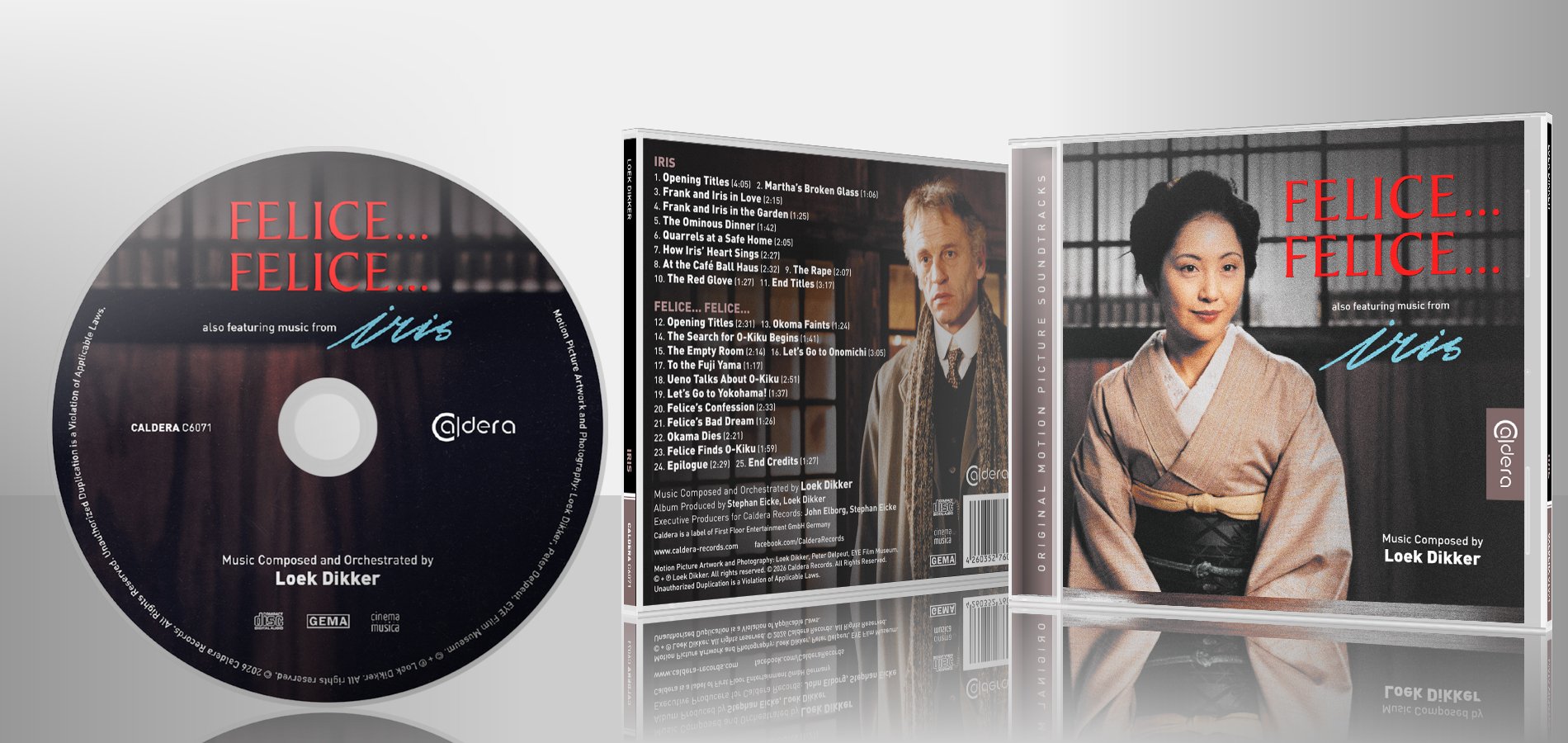
Caldera: IRIS/FELICE... FELICE... (Loek Dikker)
Trekfan antwortete auf Caldera Recordss Thema in Scores & Veröffentlichungen
Klingt nach einer guten Entscheidung. Erlebe die seit Jahren als unglaublich zuverlässige Händler. Habe gerade heute von MB die Mail bekommen, dass ich ungefragt das Ersatzbooklet zu Kramer vs Kramer zugeschickt bekomme. -

Caldera: IRIS/FELICE... FELICE... (Loek Dikker)
Caldera Records antwortete auf Caldera Recordss Thema in Scores & Veröffentlichungen
Neben der Ankündigung sei bemerkt, dass wir unser Distributions-Modell geändert haben. Über unsere neue Zusammenarbeit mit Music Box Records sprechen wir hier: https://www.instagram.com/reel/DZpIvEfIzQC/?igsh=MXd1MW4yeG9pcmRyeg== -
 Hier mal wieder eine Veranstaltungsankündigung für die Kino-interessierten Board-Mitglieder: Anfang Juli findet im Deutschen Filmmuseum in Frankfurt am Main eine von mir und einigen Kollegen kuratierte Filmreihe zum französischen Genrekino statt, die auch einen Programmschwerpunkt zu Philippe Sarde haben wird. U.a. werden LE CHOIX DES ARMES, LE TRAIN und LA GARCE gezeigt. Unser Forumsmitglied @Stefan Schlegel wird am 8. Juli anwesend sein und zu Sardes LE CHOIX DES ARMES sprechen, worauf ich mich schon sehr freue! Außerdem gibt es am 11. Juli ein Publikumsgespräch mit @Mephisto und mir zu LA GARCE, zu Sardes Filmmusiken auf CD, sowie zu den Arten und Weisen, sich sein umfangreiches Werk zu erschließen. Titel des Gesprächs: "Philippe Sarde: Die Exploration eines Schaffens". Das komplette Programm gibt es unter: Cinéma Bis? Facetten des französischen Genrekinos – Filmkollektiv Frankfurt
 -
PROJECT HAIL MARY - Daniel Pemberton
TheRealNeo antwortete auf TheRealNeos Thema in Scores & Veröffentlichungen
Ja in der Euphorie verwechselt, danke! -

PROJECT HAIL MARY - Daniel Pemberton
Stese antwortete auf TheRealNeos Thema in Scores & Veröffentlichungen
Die reguläre CD-Ausgabe wurde nach hinten verschoben auf den 19. September 2026. -

PROJECT HAIL MARY - Daniel Pemberton
peter-anselm antwortete auf TheRealNeos Thema in Scores & Veröffentlichungen
Nicht Mondo sondern Mutant -
PROJECT HAIL MARY - Daniel Pemberton
TheRealNeo antwortete auf TheRealNeos Thema in Scores & Veröffentlichungen
CD 3 ist der Soundtrack mit Songs aus/zum Film und auf CD 2 gibt es noch Bonus-Tracks. Das ist wohl der Unterschied, neben der Verpackung und Booklett, zur kommenden Doppel-CD von Sony. - Gestern
-
PROJECT HAIL MARY - Daniel Pemberton
TheRealNeo antwortete auf TheRealNeos Thema in Scores & Veröffentlichungen
Von Mondo nun auch noch als 3-Disc-Set: https://madebymutant.com/products/project-hail-mary-the-complete-amazon-mgm-studios-soundtrack-3xcd?mc_cid=6b77f15467&mc_eid=2316dd8438 -
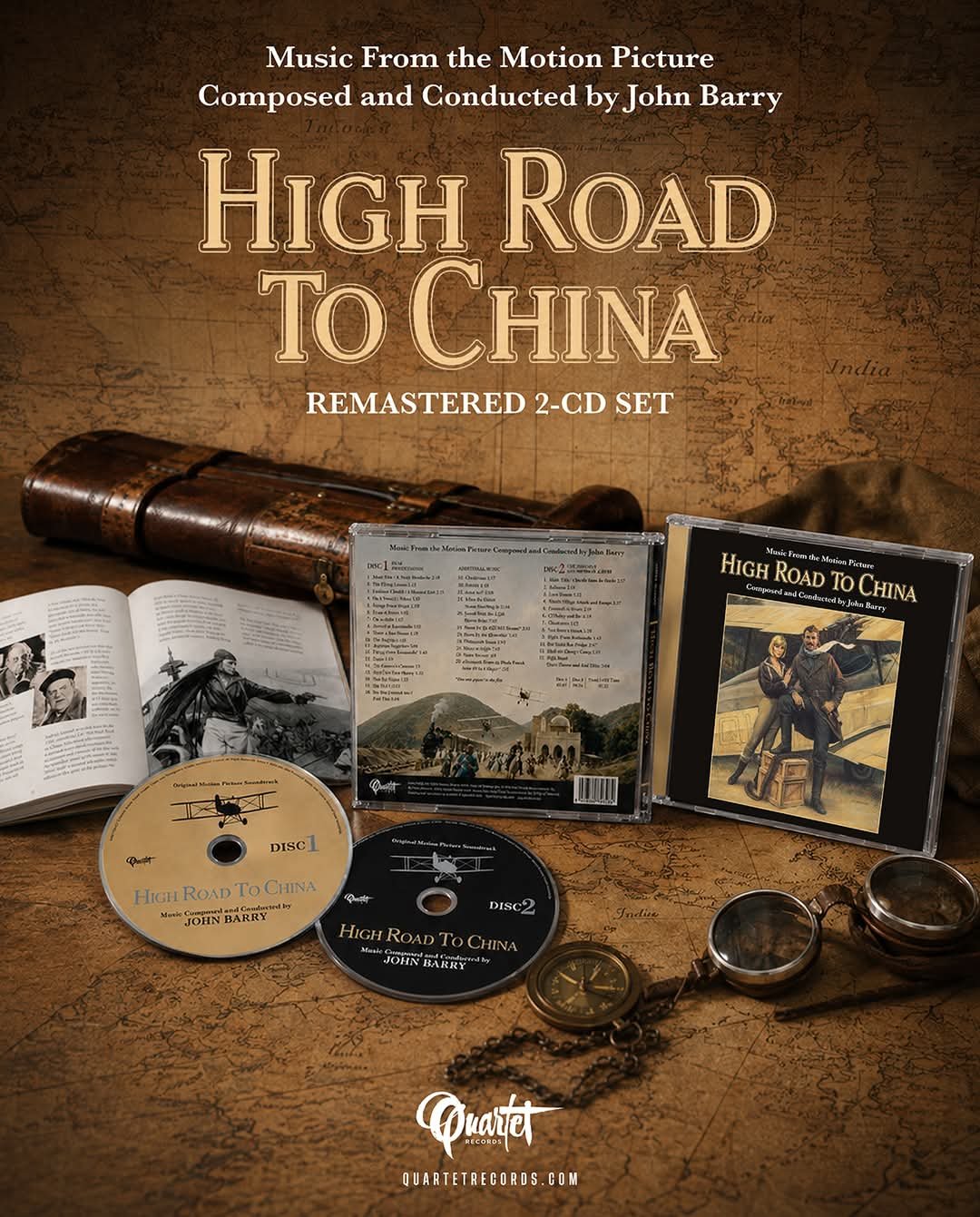
 Kommt von Quartet: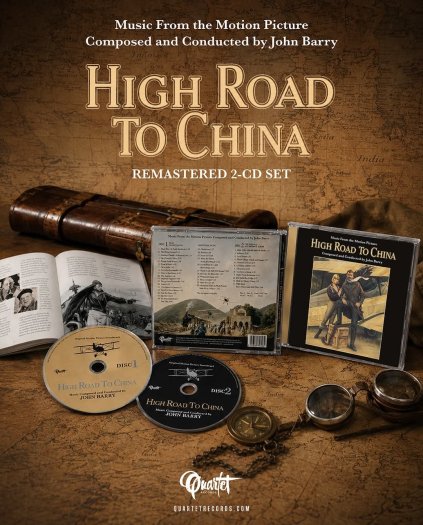
-
 Biz150 hat sich registriert
 -
 Echt, meint ihr wirklich ? Für heutige Verhältnisse wo mit temp tracks schon sehr häufig gearbeitet wird ist der Fall hier schon sehr klar und eindeutig. Da bestehen für mich keine Zweifel. Da wird einer der Monteure den Cue von Desplat eingesetzt haben und das wird gepasst haben.
 -
 Wobei das minimalistisch-statische eigentlich schon charakteristisch ist für viele Desplat-Tracks - eine Eigenart, die ich bekanntermaßen gar nicht mag, weshalb ich ja auch Desplat oft ablehnend gegenüber stehe. Man hätte z.B. aus ET APRÈS durchaus auch zwei oder drei andere Tracks nehmen können, in denen dieses "Allerwelts-Minütchen" kaum verändert ebenfalls vorkommt. Das ist also jetzt nicht nur auf diesen einen von mir oben genannten Track beschränkt, sondern kommt in dem Score wirklich öfters vor, genauso der Synthie-Bass. Wenn man also den Score gut kennt oder der einem sogar gefällt, dann dürfte einem die Übernahme natürlich schon auffallen. Keine Frage. Ich hingegen kann bei ET APRÈS nur mit dem ganz netten Hauptthema im ersten und letzten Track ein bißchen was anfangen, der Rest liegt mir musikalisch nun mal nicht, aber das dürfte an sich klar sein.
 -
 Ja, das stimmt. Da ist vieles verwurstet: A.I., WAR OF THE WORLDS, ANGELA‘S ASHES, WAR HORSE, E.T.,…. und natürlich etwas Desplat Horner hätte man dafür früher gerügt - aber bei Williams ist es OK, dass eine recht uninspirierte Selbstkopie stattfindet? Nein, das gilt es auch hier zu rügen. ABER die meisten sind vermutlich froh, dass es von dem 94(!) jährigen Großmeister überhaupt noch was gibt - und ich gehöre dazu.
 - Letzte Woche
-
 Ich hätte diese Parallelen auch nie erkannt, für mich auch ein "Allerwelts-Minütchen", das es so vermutlich in x unterschiedlichen Filmmusiken irgendwie so ähnlich gibt. Ist wirklich nicht so entscheidend, was die Musik angeht. Habe momentan nicht so viel Zeit ins Kino zu gehen. Die Musik selbst ist mir dem ersten Eindruck nach etwas zu sehr ein Pastiche aus vielen anderen Williams-Kompositionen, bei der ich ständige irgendwelchen Assoziationen herjage, sei es Amistad, A.I., E.T. oder Close Encounters. Die Themen sind aber sehr schön. Muss dem Ganzen aber sicher noch etwas Zeit geben.
 -
 Wobei man aber sagen muss, dass das Hauptthema aus "Et Apres" einem der Themen aus dem Score von Williams zu "A.I." sehr ähnlich klingt. Trotzdem ist es für mich der beste Score von Desplat.
 -
Elfman sagt ja auch immer dass er Garantie hat einen Film ohne Temp zu sehen, aber dann hat man so komplette Matrix Abschriebe in WANTED zb… das führ ich auch einfach drauf zurück, dass ein Ghostwriter was machen musste und der darf sich dann logischerweise nicht ausleben sondern macht halt den Temp Track nach und Elfman wirds entweder egal sein oder ja auch gar nicht bemerken… das kommt halt mal vor bei den Produktionsbedingungen Williams und Temp Track fällt mir noch ein, wo das Auge die Treppe runterhüpft hört man deutlich Death Becomes Her… aber was solls… 20sec in 120min…
-
Man muß ja auch einfach realistisch gesehen sagen: Daß jemand mit 94 über 80 Minuten Score in einer festgelegten Zeit schreiben und für Alles und Jedes verantwortlich sein soll, ist schon äußerst viel verlangt. Man sollte doch mehr als froh sein, daß Williams zumindest die wichtigsten Teile der Partitur noch allein hinbekommen hat.
-
Auch im jwfan-Forum gibts dazu einige Äußerungen von Leuten, die offenbar genaueres wissen. Etwa diese: "He may not like temp-track personally, but he has to work with them because that's a common thing in editing. There are many cases where the temp-track is obvious. Island Fanfare from Jurassic Park was temp-tracked by Theme from Silverado Susan motif from The Patriot was temp-tracked by Once Upon a Time in America Bringing Joey Home, and Bonding was temp-tracked by Jack Sparrow" "Going to School from Memoirs of a Geisha that was evidently temped with that David Byrne piece from Last Emperor has always been the ideal outcome for temp love, where Williams follows the temp but also goes off in totally his own direction. Too bad he didn’t do that more here."
-
Es ist doch vermutlich eher so, dass es so gewesen ist, wie u.a. Mistermaffay es oben schon gesagt hat. Für die Passage dürfte einer aus Williams' Team verantwortlich sein, der bei der Fertigstellung des Scores mitgeholfen hat.
-
 Und ich dachte immer, dass Williams der einzige Hollywoodkomponist war, der die Filme, die er vertonen sollte, ohne Temptrack sehen durfte. Das soll sich jetzt ausgerechnet bei Spielberg geändert haben?
 -
Im jwfan-Forum wurde in den letzten Tagen ja auch die wirklich genau gleiche Rythmusbegleitung in einem Track von Desplats ZERO DARK THIRTY (Track 6 "Northern Territories") wie in dem DISCLOUSRE-Track "Dive" ab Minute 2:45 diskutiert mit dem witzigen Kommentar: "Desplat must be kinda proud that Williams stole some of his music from Zero Dark Thirty". Wer es selbst nachlesen möchte: https://www.jwfan.com/forums/index.php?/topic/38247-disclosure-day-ost-album-music-discussion-no-film-spoilers/page/2/#comments Ich gehe daher schon stark davon aus, daß zumindest ein paar Desplat-Stücke ursprünglich als Temp Track bei DISCLOSURE angelegt worden waren, zumal eben ein Randy Kerber auch an einigen Desplat-Scores immer mitgearbeitet hat. Ein bißchen was könnte daher auf sein Konto gehen.
-
Aber schön, dass dadurch der Score von Desplat auch wieder kurz etwas mehr im Fokus war.
-
Caldera: IRIS/FELICE... FELICE... (Loek Dikker)
Caldera Records erstellte ein Thema in Scores & Veröffentlichungen
Caldera Records proudly presents Loek Dikker’s scores for the films “Iris” from 1987 and “Felice… Felice…” from 1998. Both films featured here revolve around an individual entering foreign territory. For Iris, the veterinarian who gives the first film featured here its title, this foreignness is largely figurative. For years, the thirty-year-old has lived with her older husband, an architect, in a big city. Tensions have started to simmer. One day, she leaves her husband to move to an unfamiliar village to begin again. But she soon finds that the local population resents her as a foreigner. It comes as it must: an implosion upends her life. Loek Dikker’s score for “Iris” proved central to the film’s impact. The composer had started writing for film only a few years before. The buoyant main title – modeled on a Latin American bolero – initially suggests lightness. For Dikker, it expressed Iris’s vitality. As hostility mounts, the music darkens. It reflects the unease of her rural surroundings. In the finale, acceptance brings the bolero back. It completes the arc. Peter Delpeut’s film “Felice… Felice…”, loosely inspired by Felice Beato, explores the tension between illusion and truth. In 1895 (the year of the first film screening), photographer Beato returns to Japan after some time away. Once a pioneering photojournalist who captured raw life in Asia, he has abandoned photography. Johan Leysen plays him with sorrowful gravitas: a man hollowed by loss, still mourning his wife, O-Kiku, whom he met in the when he first set foot in Japan. Director Peter Delpeut’s gentle, wise and moving meditation on the nature of memory explores a changing Japan, cultural differences, and our fear of forgetting and of being forgotten. It demanded a delicate score. Composer Loek Dikker had the difficult task of developing music that captures Beato’s restlessness, his hope and desire, while at the same time providing the appropriate musical accompaniment for the photographs of a lost place. Loek Dikker sought a balance between the East and the West. He wanted his music to flow almost imperceptibly. The 71st CD-release of Caldera Records features a detailed booklet text by Stephan Eicke and elegant artwork by Luis Miguel Rojas. The CD was mastered by Richard Moore and produced by Stephan Eicke and Loek Dikker. Iris 1. Opening Titles (4:05) 2. Martha’s Broken Glass (1:06) 3. Frank and Iris in Love (2:15) 4. Frank and Iris in the Garden (1:25) 5. The Ominous Dinner (1:42) 6. Quarrels at a Safe Home (2:05) 7. How Iris’ Heart Sings (2:27) 8. At the Café Ball Haus (2:32) 9. The Rape (2:07) 10. The Red Glove (1:27) 11. End Titles (3:17) Felice… Felice… 12. Opening Titles (2:31) 13. Okoma Faints (1:24) 14. The Search for O-Kiku Begins (1:41) 15. The Empty Room (2:14) 16. Let’s Go to Onomichi (3:05) 17. To the Fuji Yama (1:17) 18. Ueno Talks About O-Kiku (2:51) 19. Let’s Go to Yokohama! (1:37) 20. Felice’s Confession (2:33) 21. Felice’s Bad Dream (1:26) 22. Okama Dies (2:21) 23. Felice Finds O-Kiku (1:59) 24. Epilogue (2:29) 25. End Credits (1:27) For more information and sound clips, please visit: https://www.caldera-records.com/felice-felice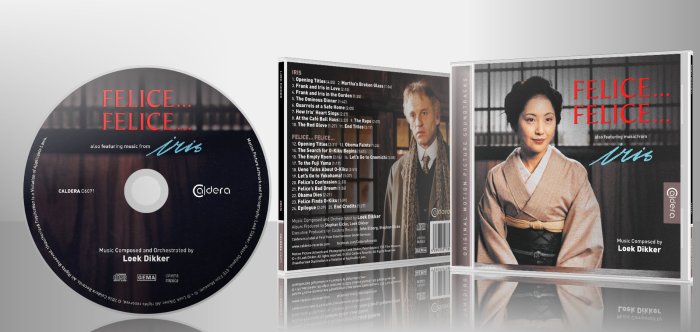
-
Du beschreibst es sehr treffend - ich kann mich dir nur anschließen. Die Gemeinsamkeiten dieser beiden Tracks sind zu groß um es als Zufall abzutun. Warum eine Größe wie John Williams bei einem recht unbekannten Desplat Score abschreiben sollte, erschließt sich mir aber nicht so ganz. Hier vermute ich eher, dass seine „Ghostwriter“ dies zu verantworten haben. Sei‘s drum - die Wahrheit werden wir ohnehin nicht erfahren.